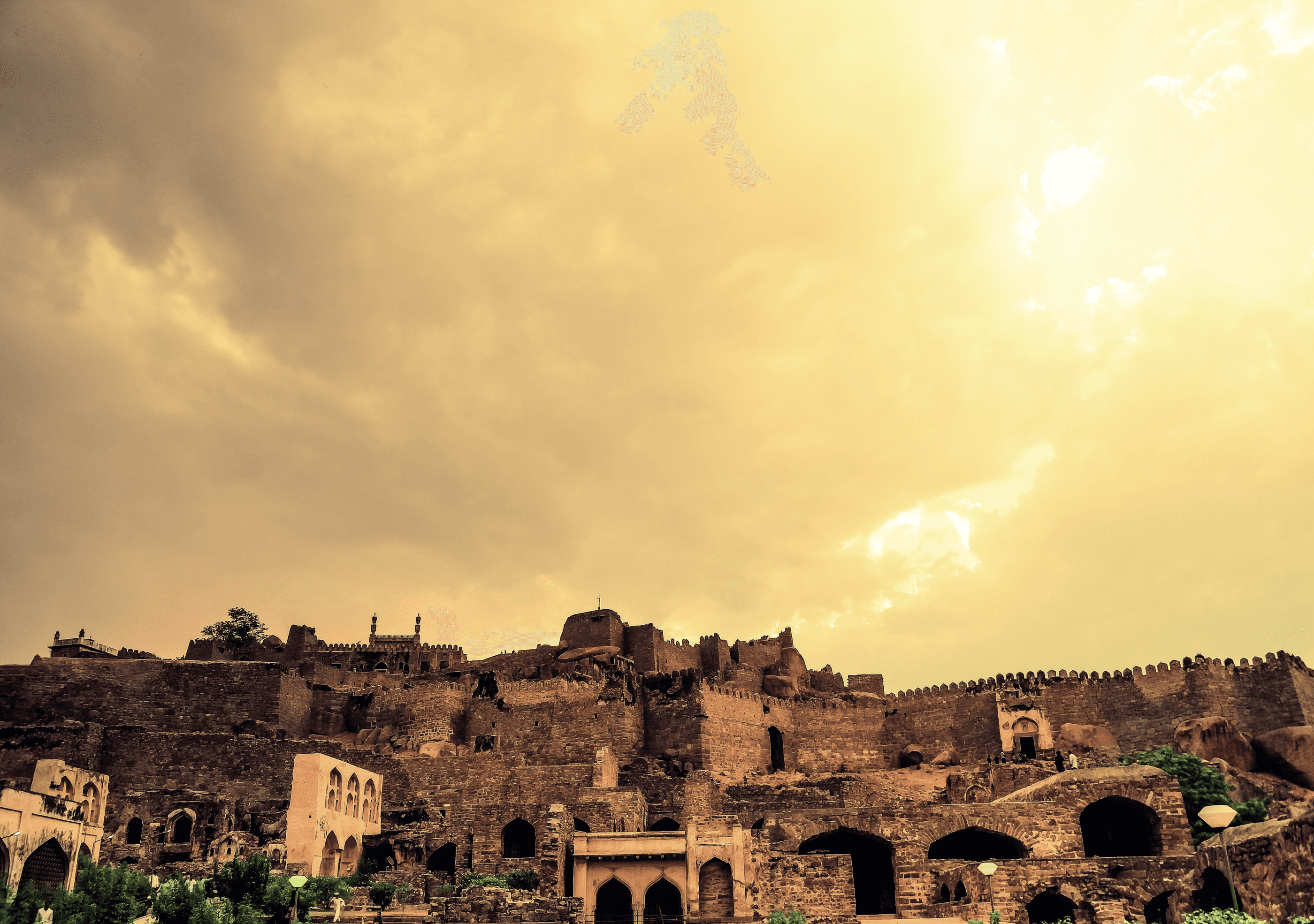
Exquisite Cutlery Crafted to Perfection in the Heart of Udayagiri, Andhra Pradesh
TAKSH
A Legacy of Craftsmanship in Wooden Cutlery
Design Project 1
Duration : 6 weeks
Brand Identity Package Design


The Birth of Udayagiri Wooden Cutlery
For over 200 years, this extraordinary craft has flourished, practiced and refined by skilled artisans, each generation passing down the secrets and artistry required to keep this masterpiece alive and thriving to this very day.
Udayagiri, a small town in Andhra Pradesh's Nellore district, has a rich history dating back to the 14th century. After the reign of powerful rulers, It was during this rule of Nawabs and Jagirs that highly intricate wooden cutlery became popular.
The Legacy



The Making



Wood
Procurement
Processing &
Seasoning
Shaping &
Cutting
Marking & Carving
Finishing Product
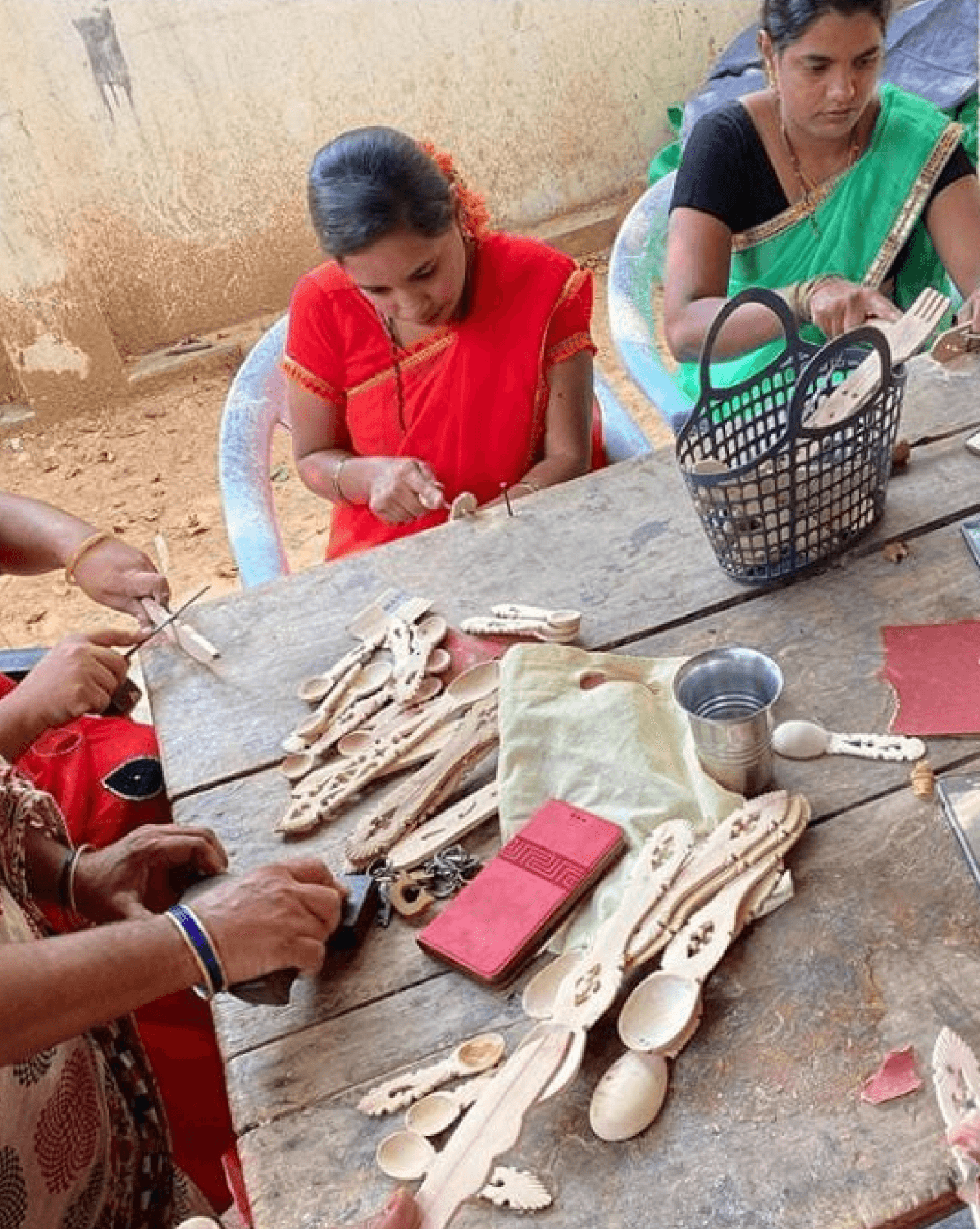
The crafting begins with carefully choosing the right wood from nearby Durgampalli forests. After seasoning and shaping the lumber, artisans mark and carve intricate patterns using traditional tools. About 90% of the work is intricate hand-carving, and 10% involve machinery. Finishing touches vary by size, with delicate pieces hand-finished and larger items machine-finished, resulting in the exquisite Udayagiri wooden cutlery.
The Creators and GI Tag
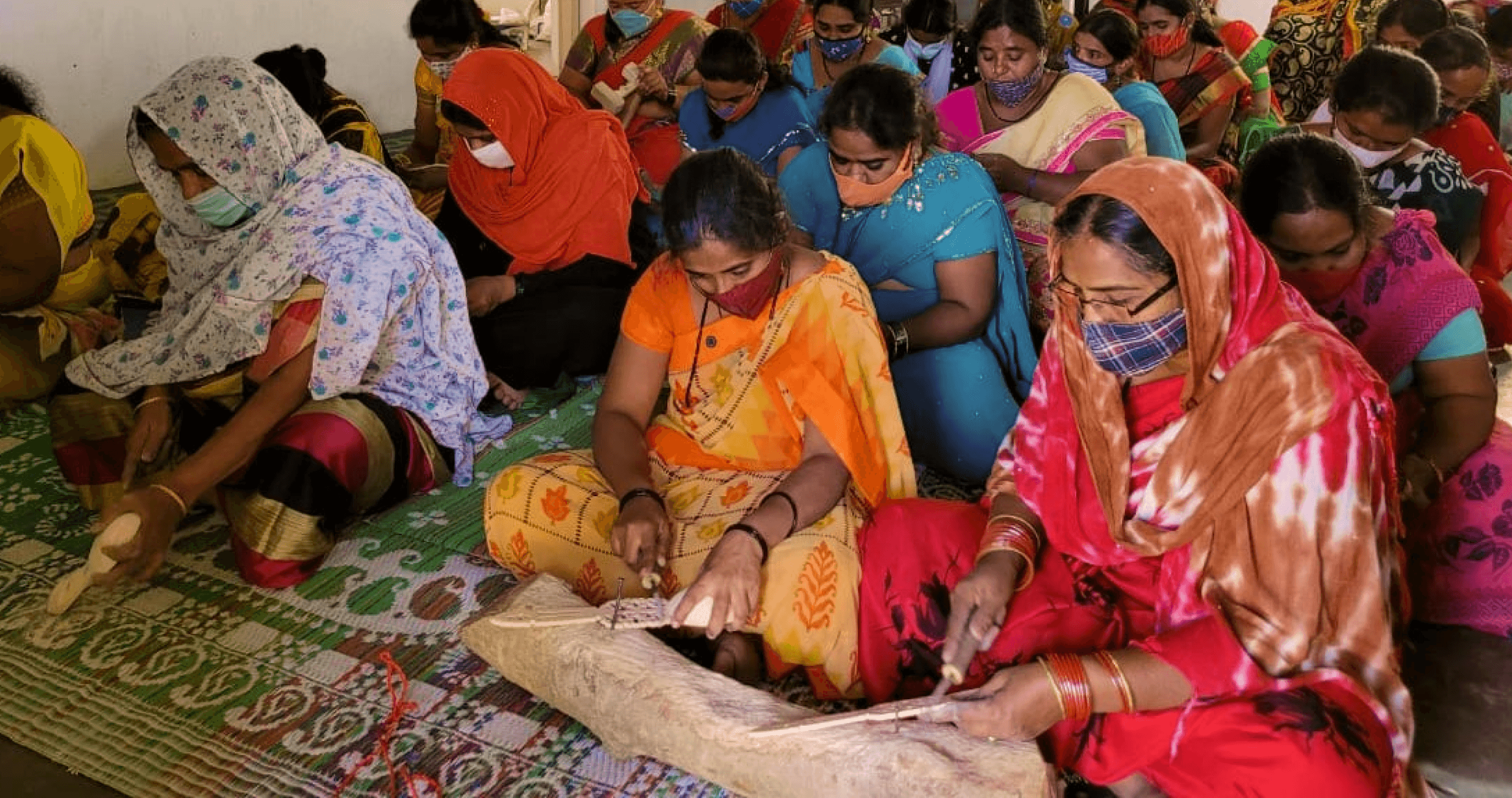
The artform would have been lost had it not been recognised as a GI product in 2017 by the Government of India. Equally, if not more important to its survival, are inspiring artisans who worked extremely hard to revive their beloved artform.
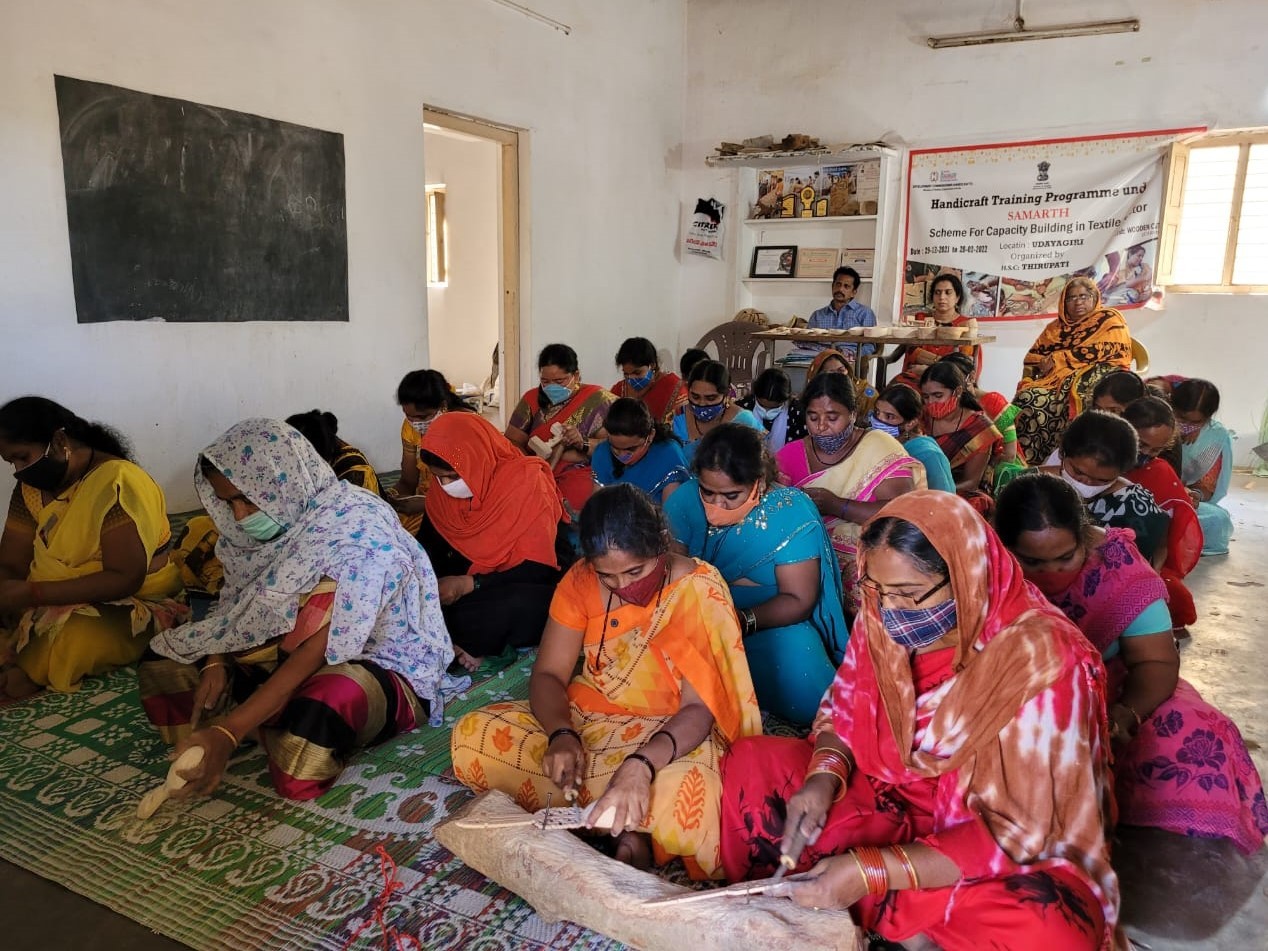
Artisan Zakeer Shaikh, is a fourth-generation Udayagiri wooden cutlery artisan who gave up a steady well-paying job to learn this amazing craft from his mother Chousia Begum.
They took the initiative to revive it by training 90+ women in the artform.
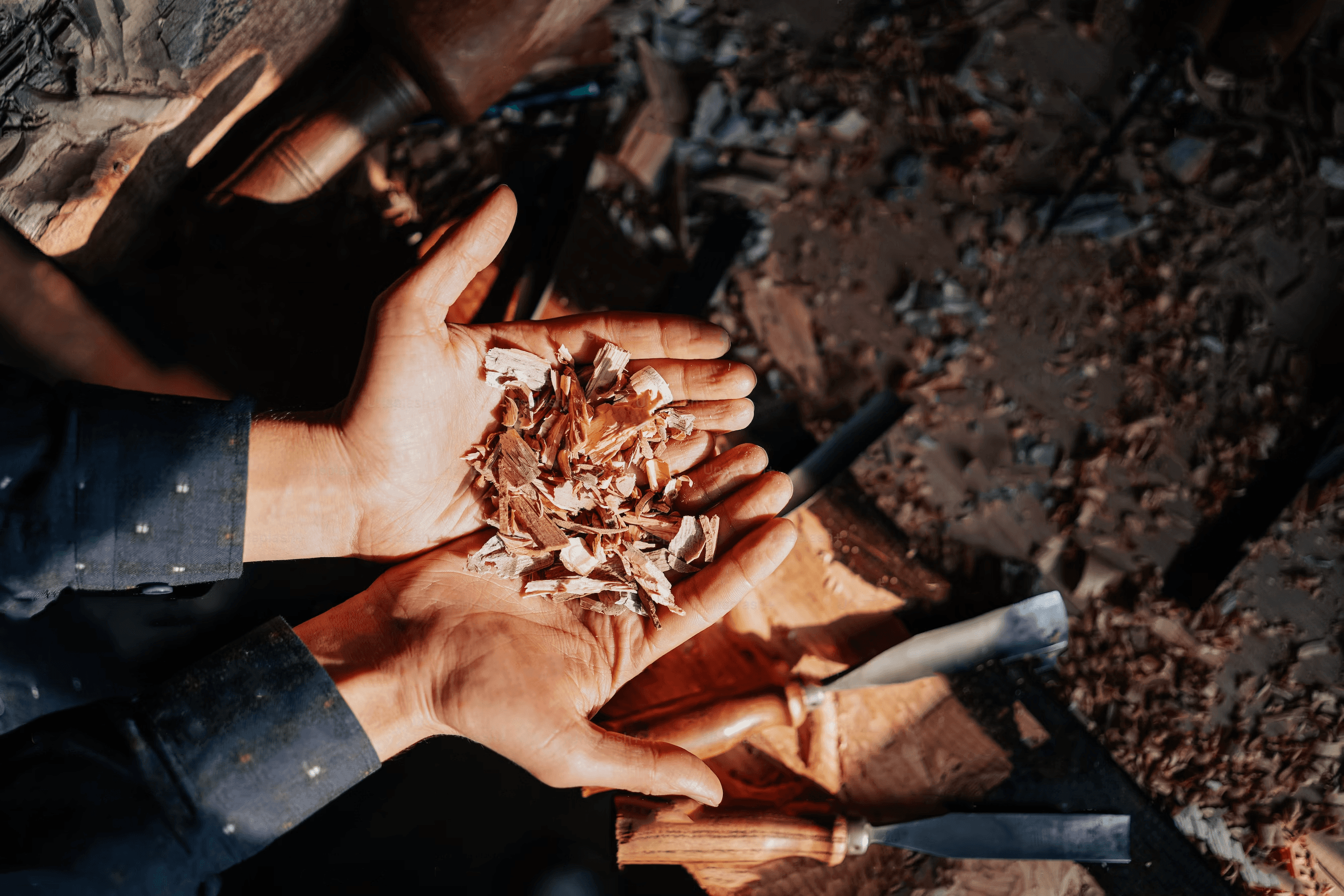

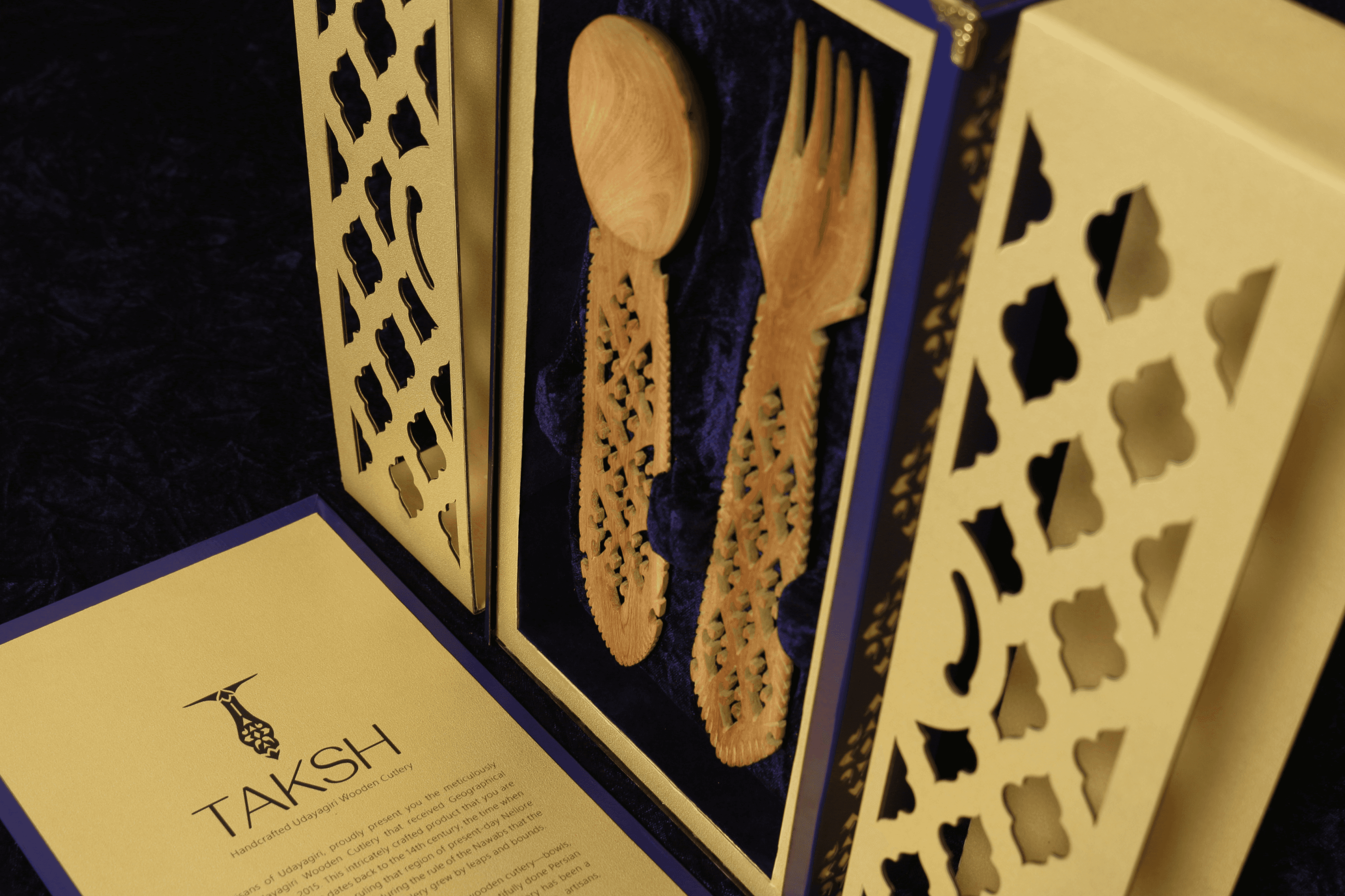
To create brand identity and packaging (seasonal/celebratory packaging and a regular packaging) for the product keeping the essence of legacy and story intact.
BRIEF
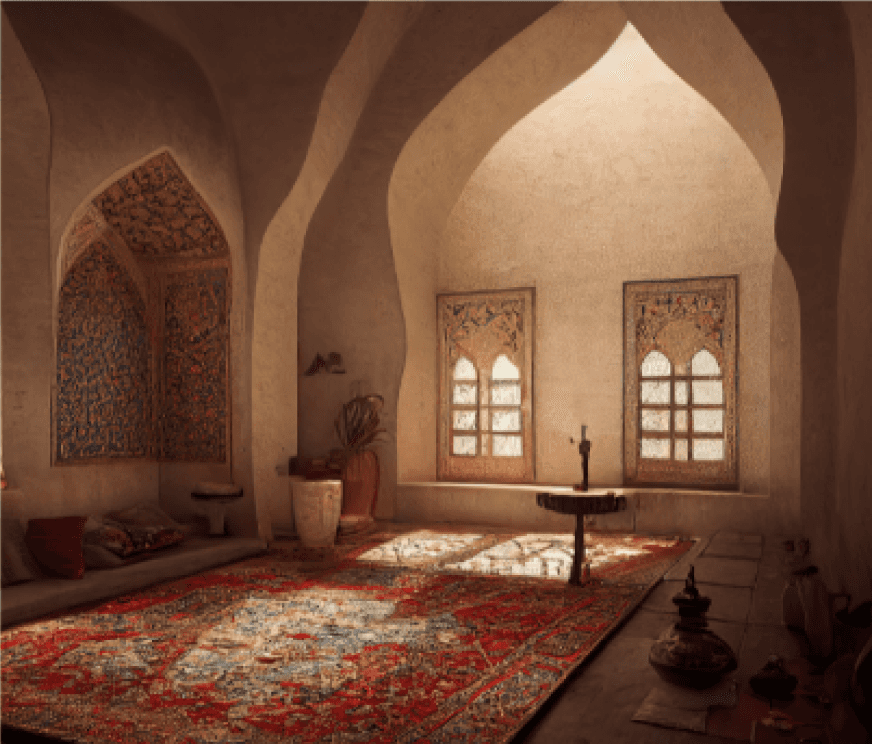
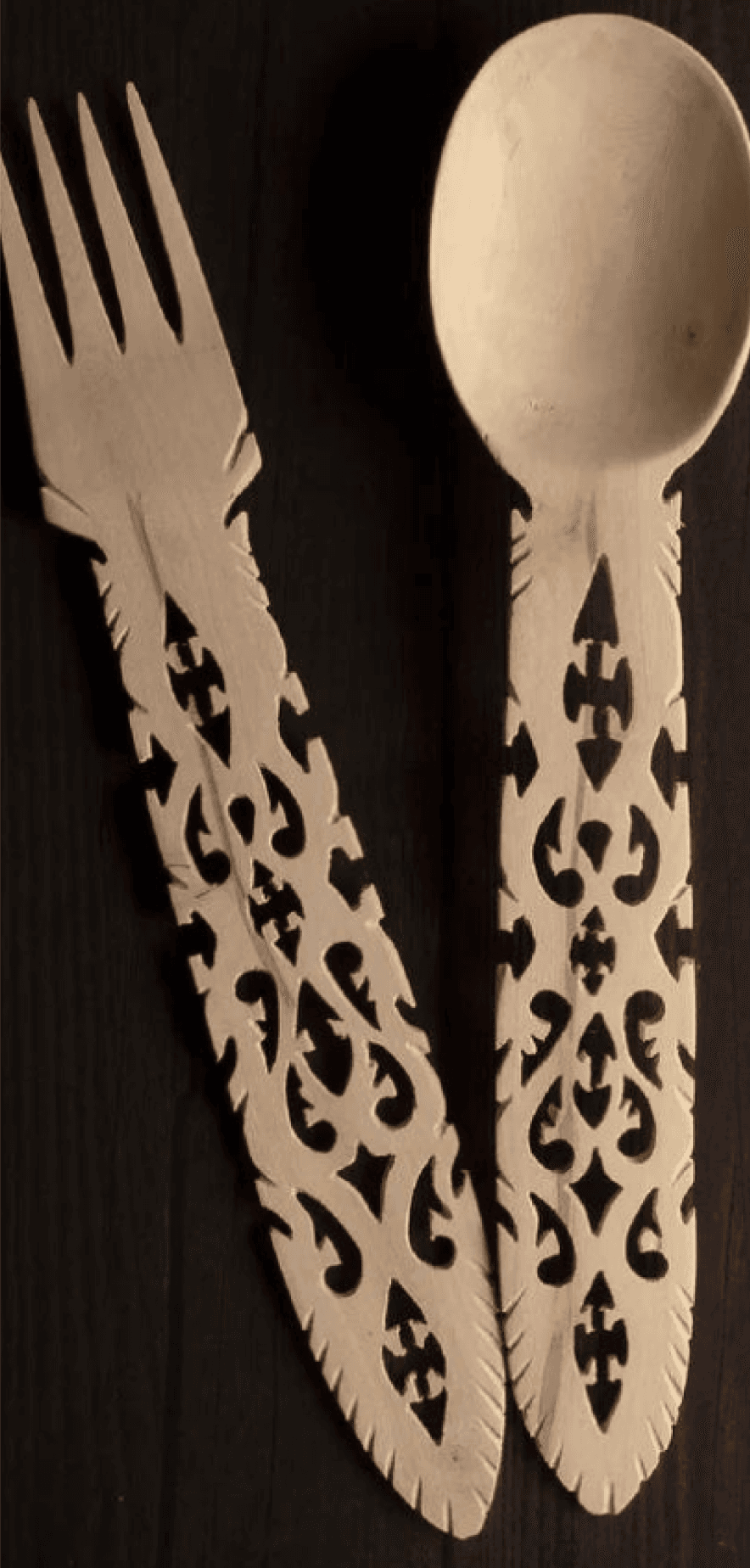
Infusing the brand identity with the history, cultural influences, and the intricate cutlery patterns, allowing it to artfully narrate the story.
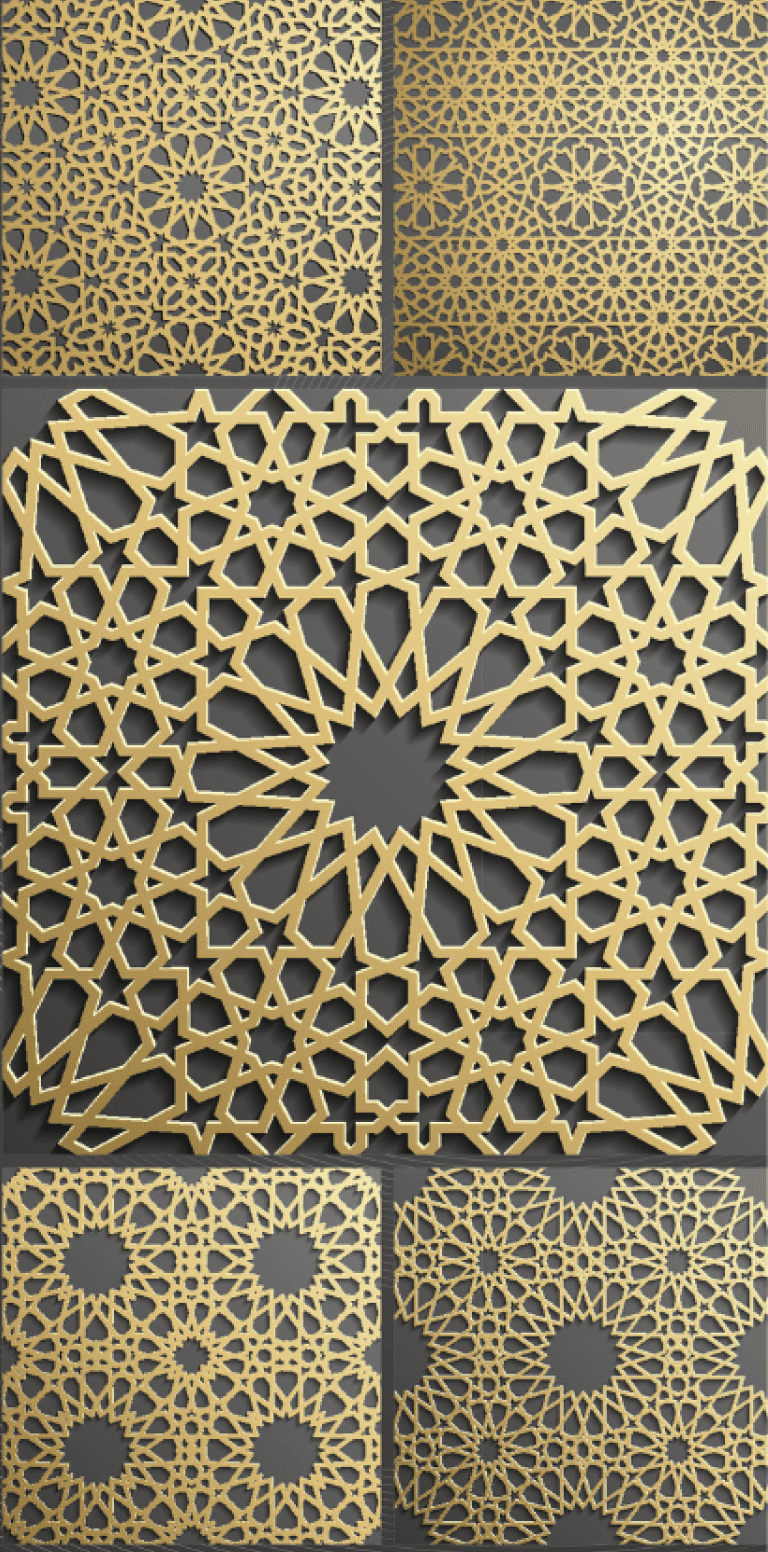
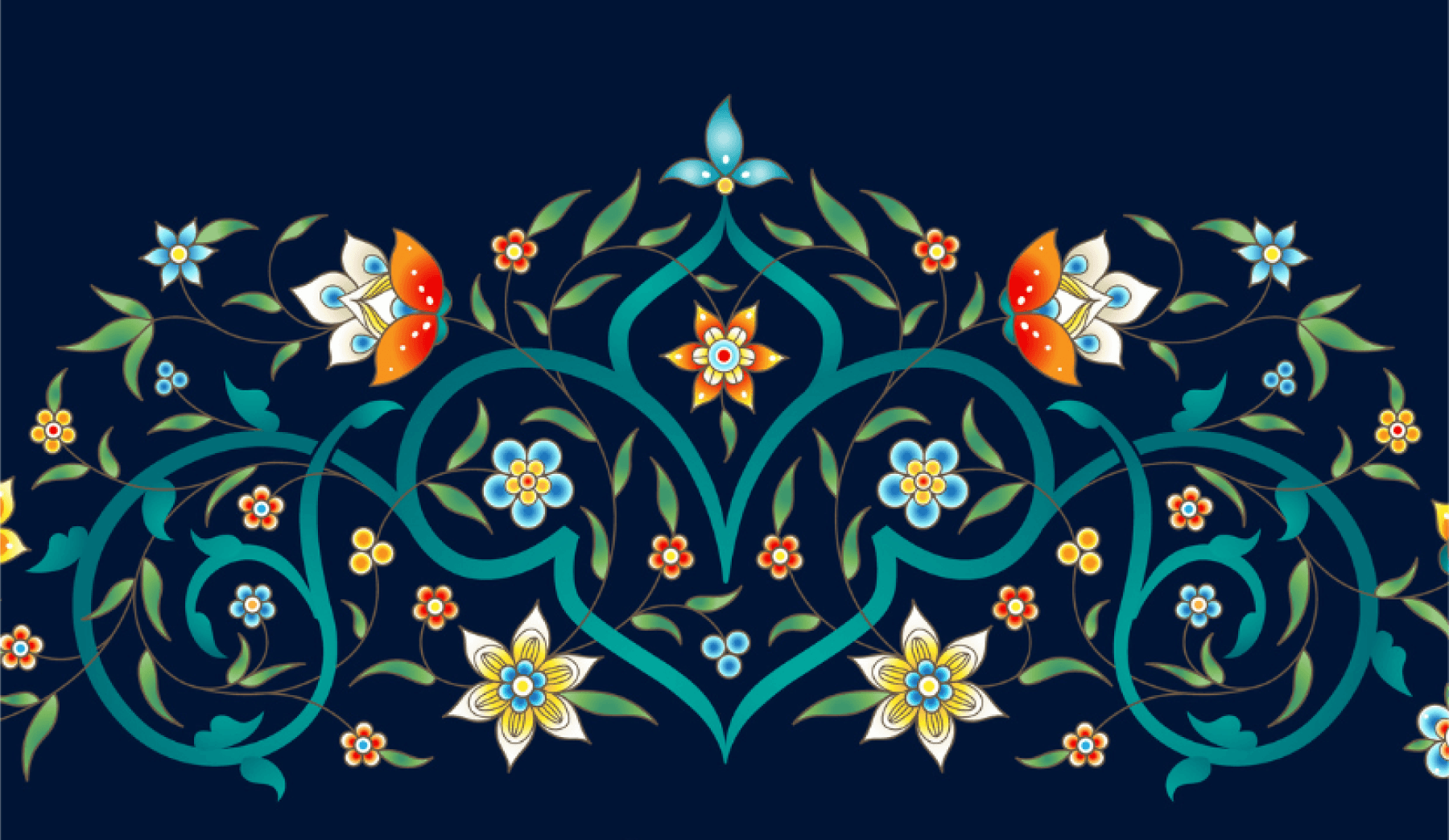
Craftsmanship
Royal/Regal
Persian Influence
Patterns
Intricacy
Developing a captivating brand name and logo, seamlessly uniting them into a combination mark that leaves a lasting and powerful impression on the customers.
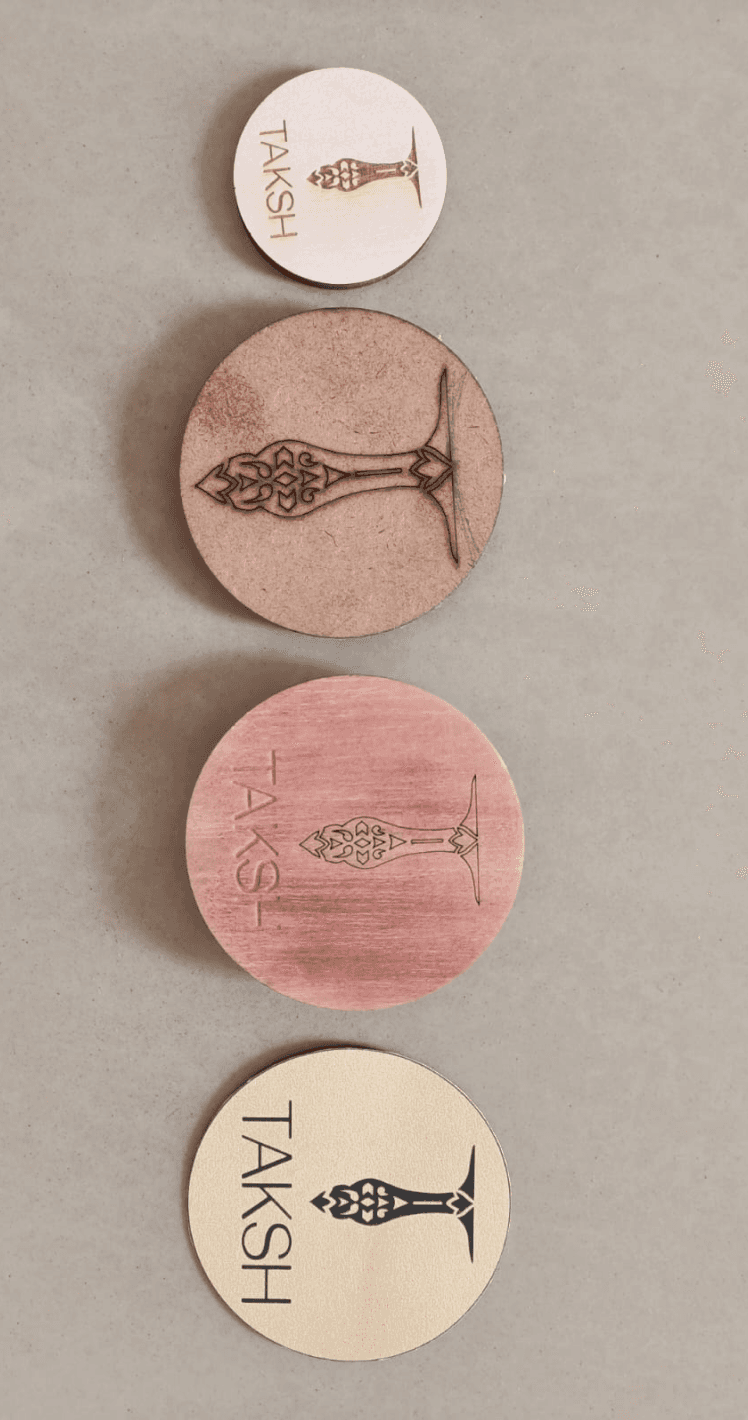
TAKSH
"Taksh" encapsulates the essence of innovation, creation, and the art of precision in chiseling
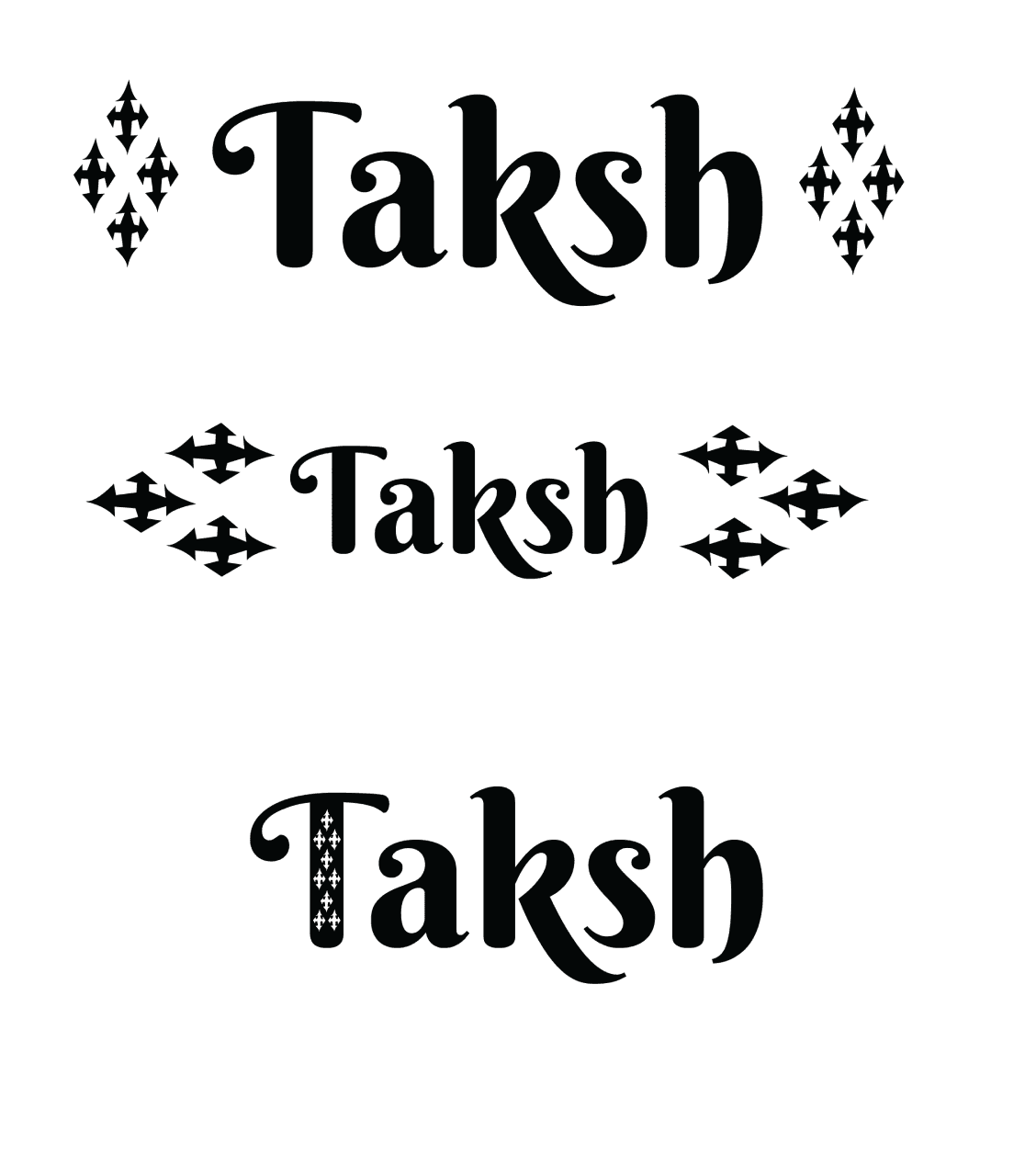
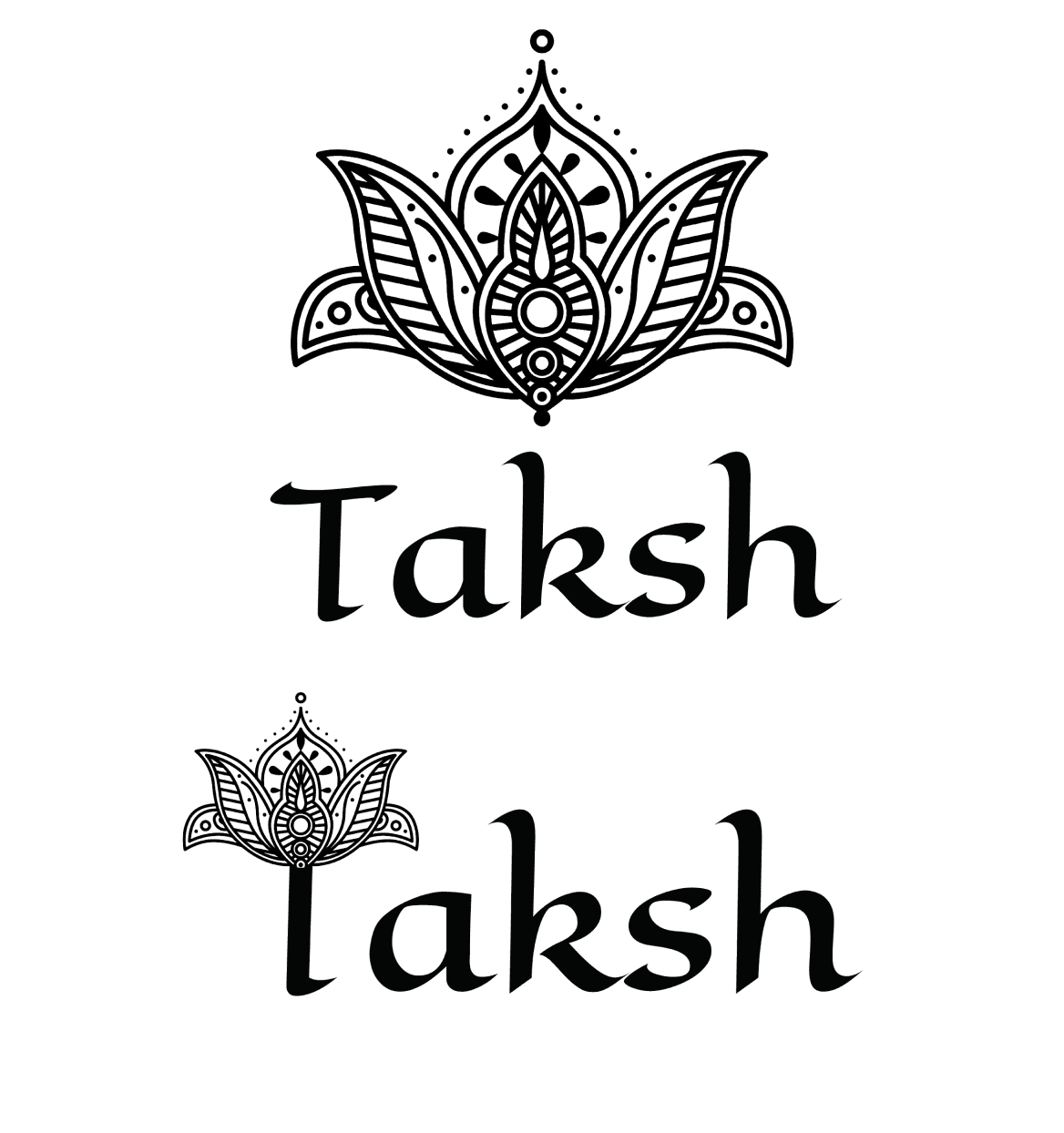
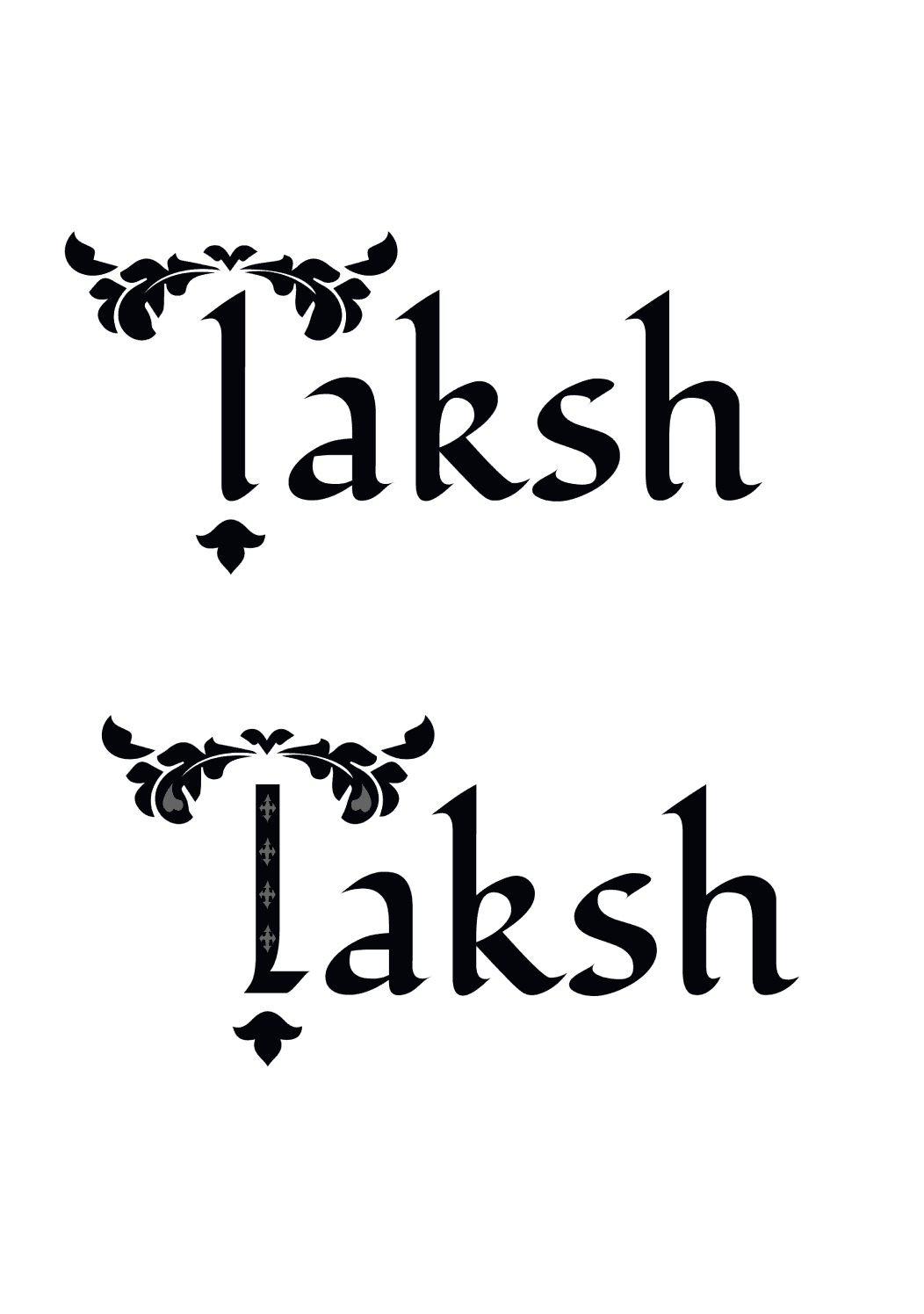
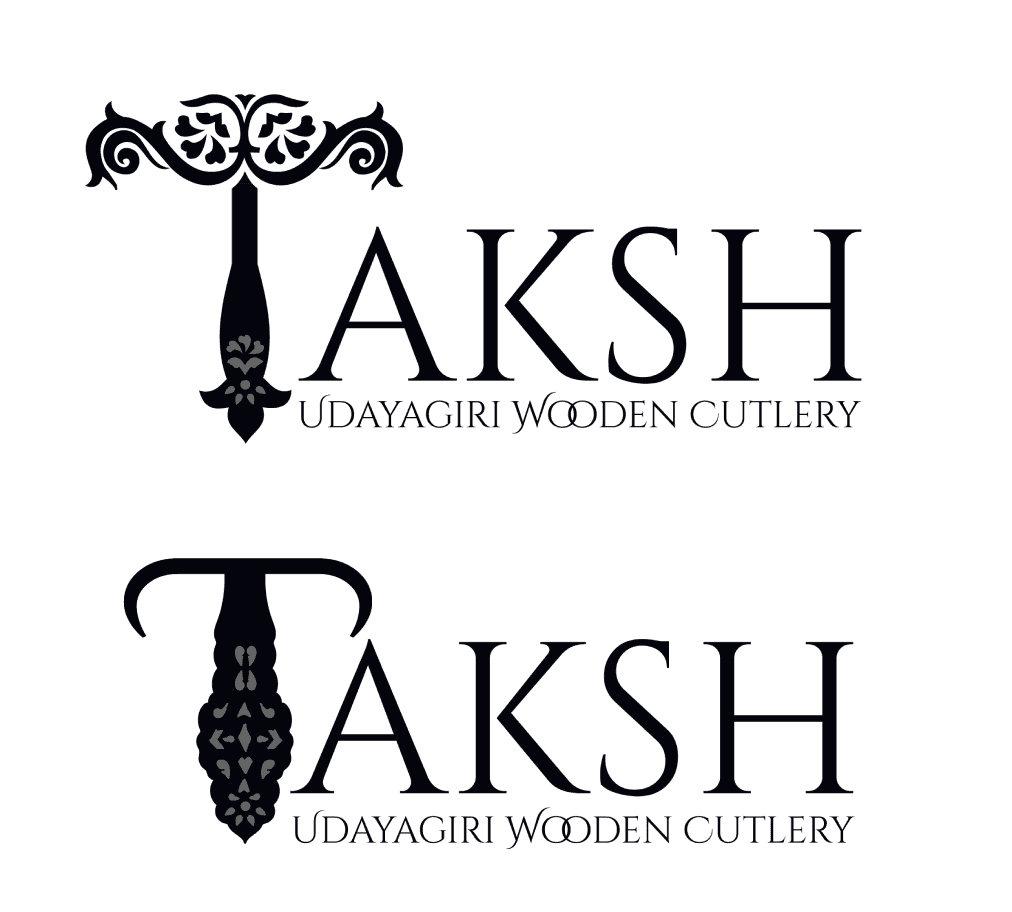
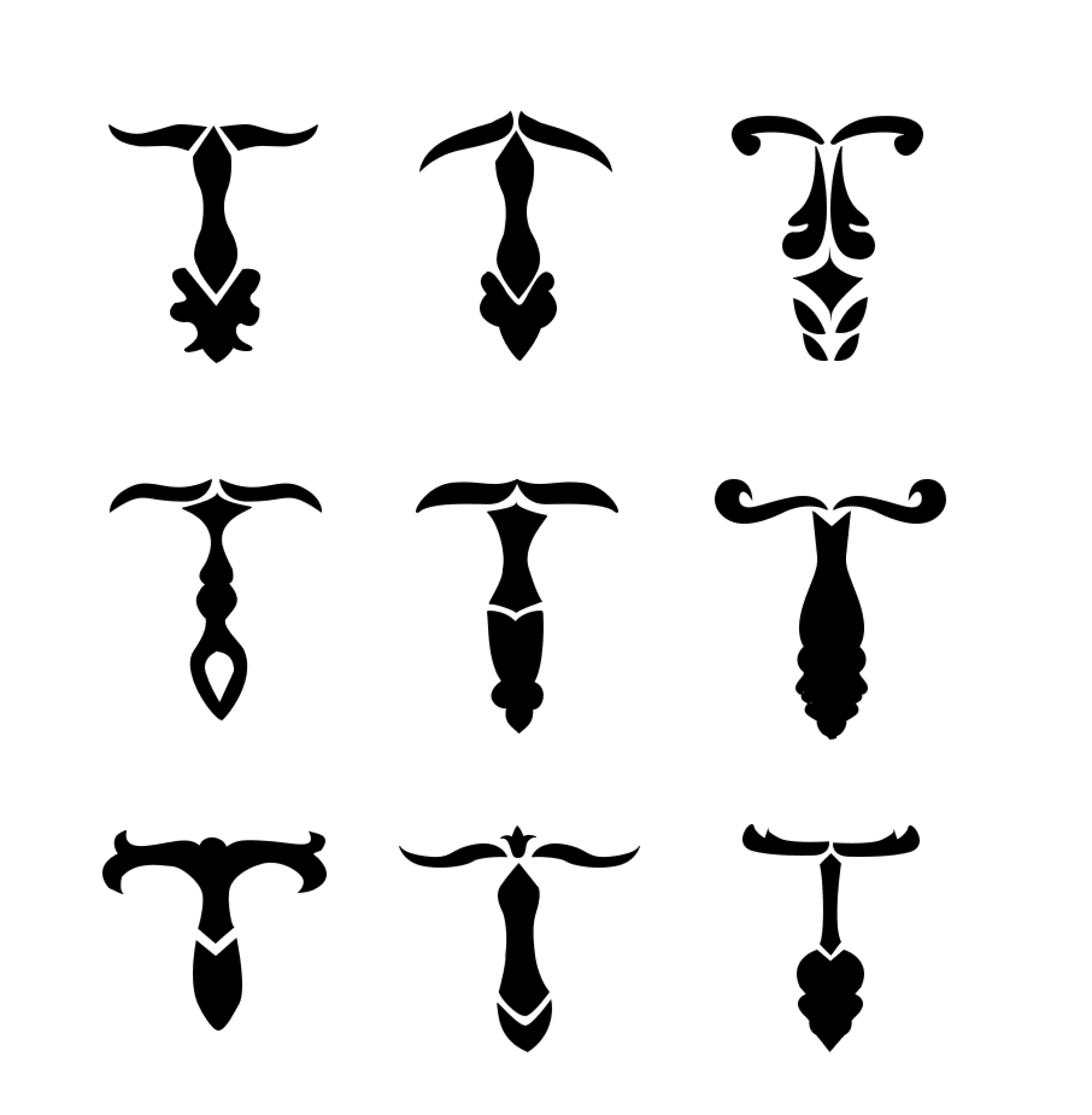
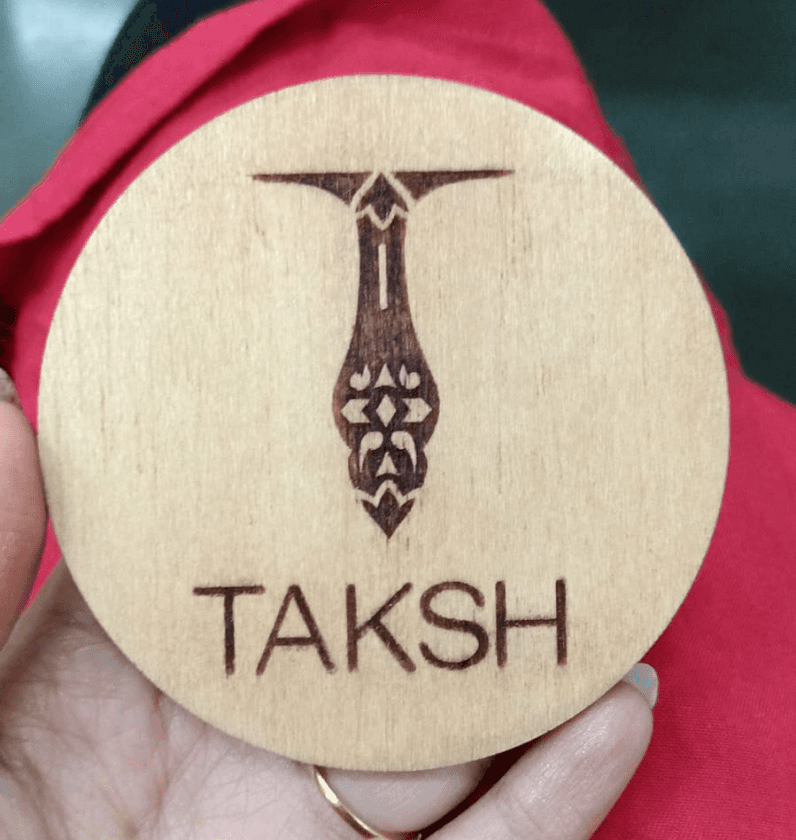
The Final logo is inspired from Mughal architecture arches, Neem flower abstract as the product most commonly made of neem, handle of the cutlery and the letter T











T


+
+
+






Brand Name
Tagline
Segoe UI Variable
Gayathri Thin
#FFDD87
#FDFBDC
#2795A7
#242161



TAKSH
Understanding the market through analogous and comparative research. Brand positioning to establish the brand identity while conveying value proposition.
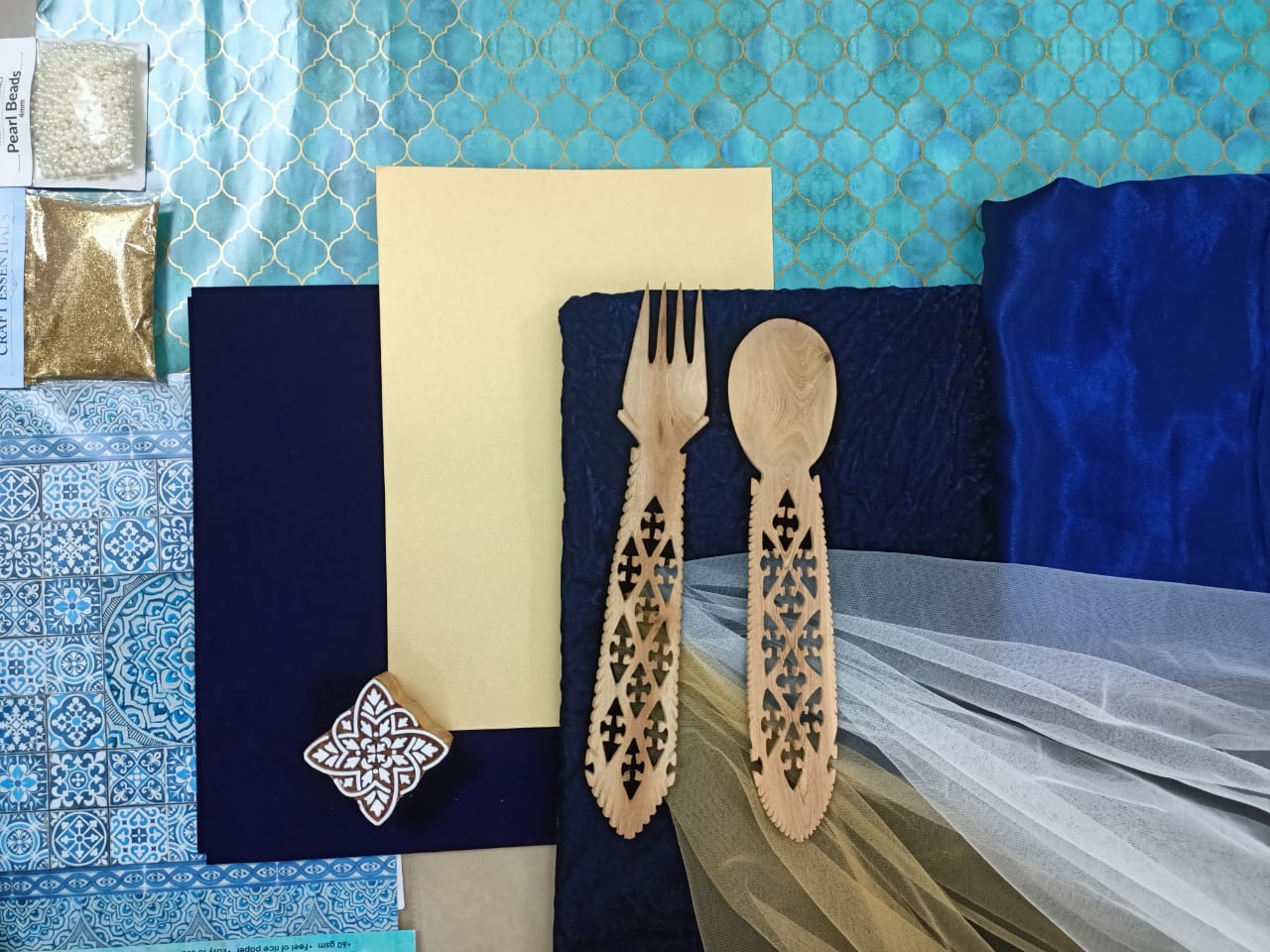
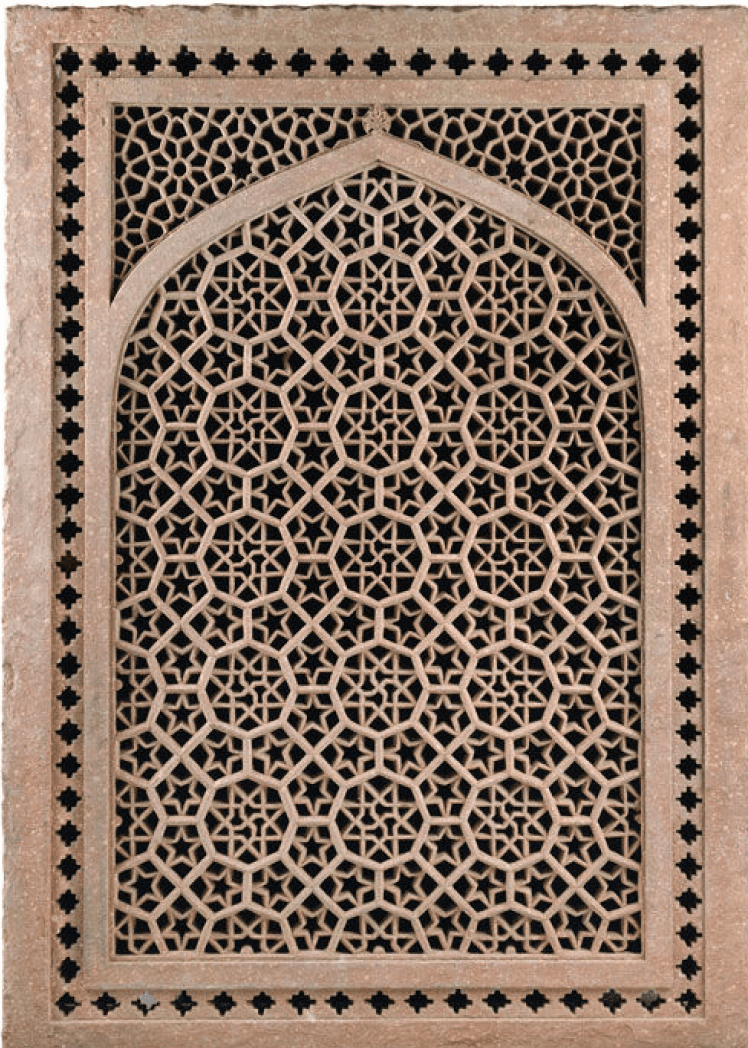
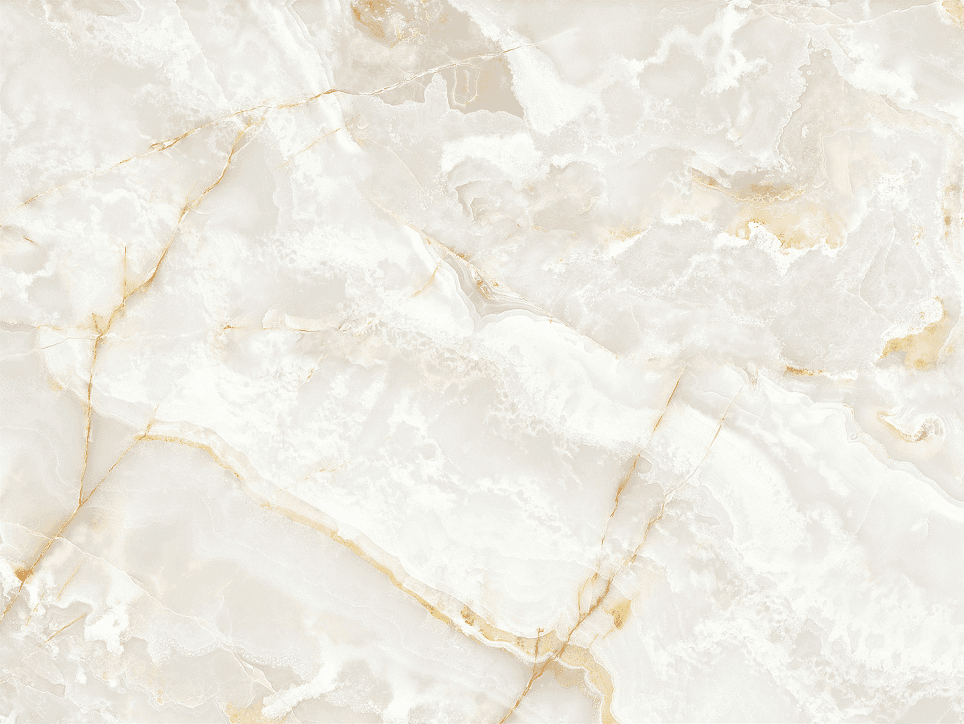

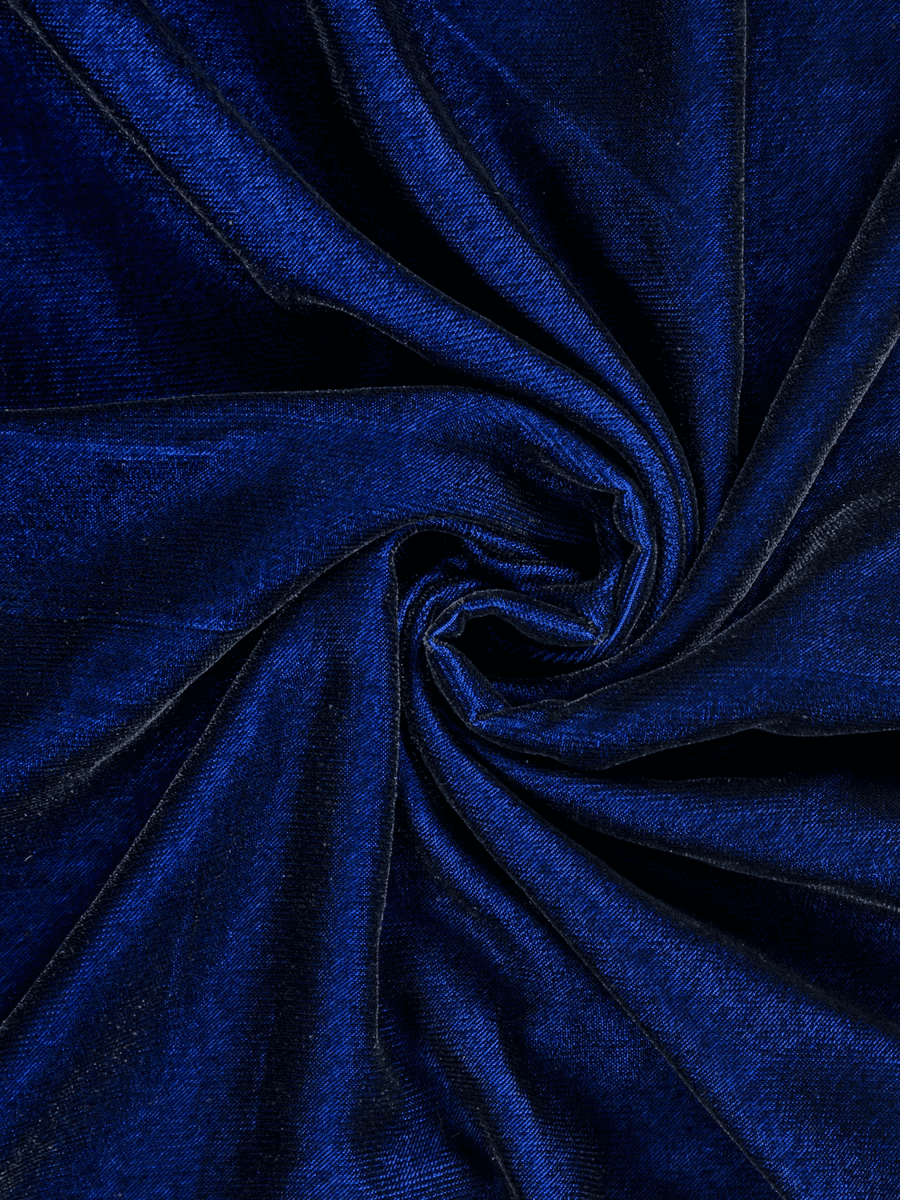
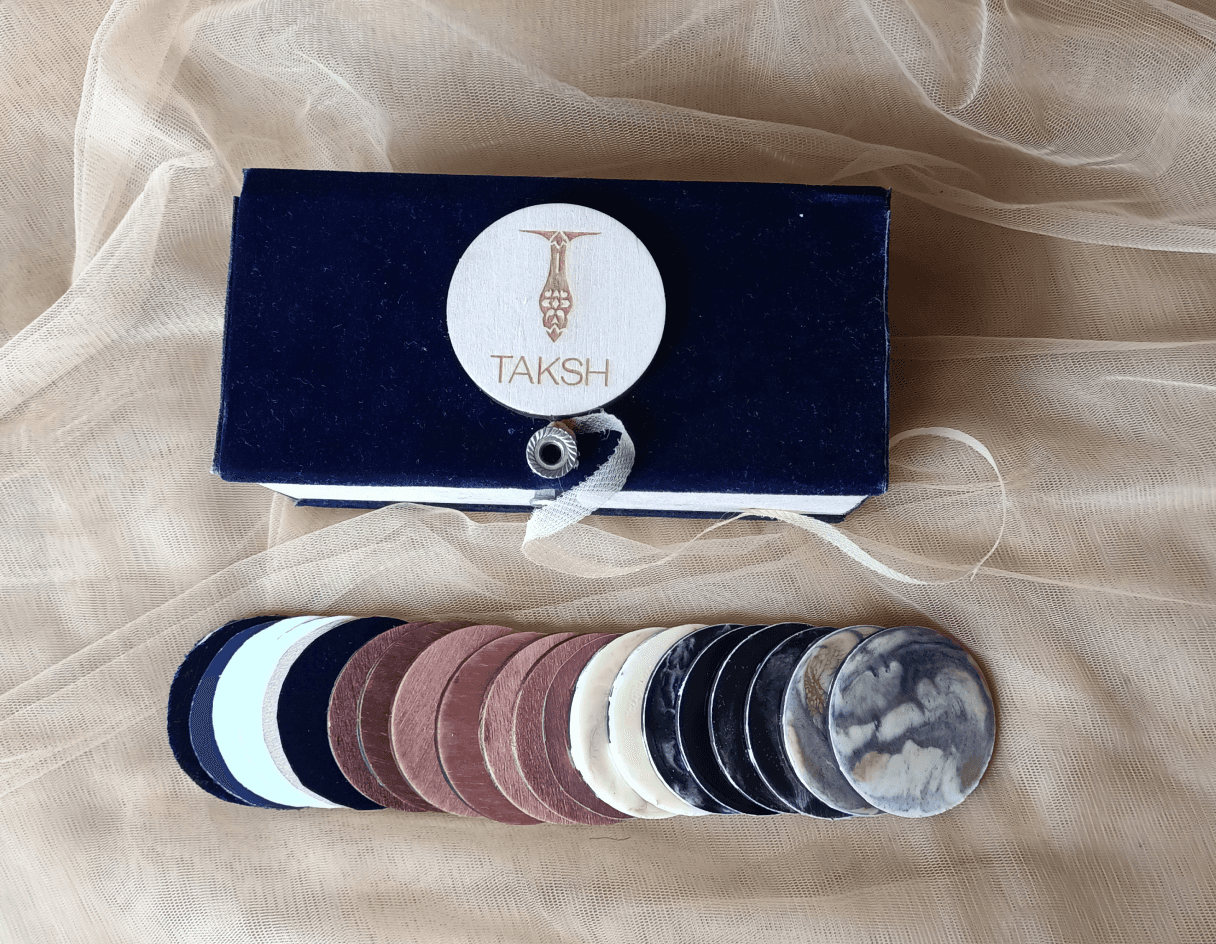
MDF/Cardboard
Velvet
Marble
Higher gsm paper
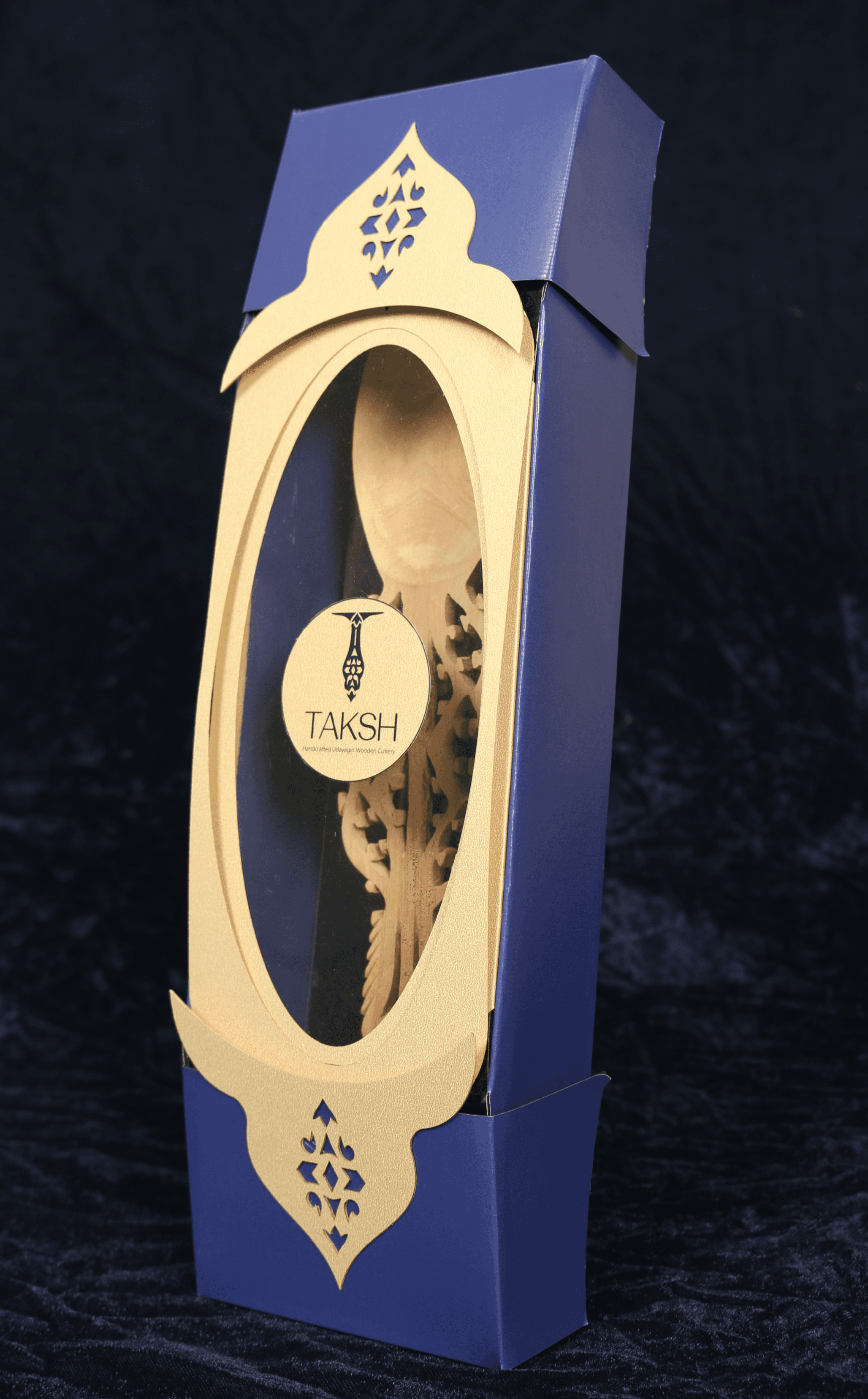
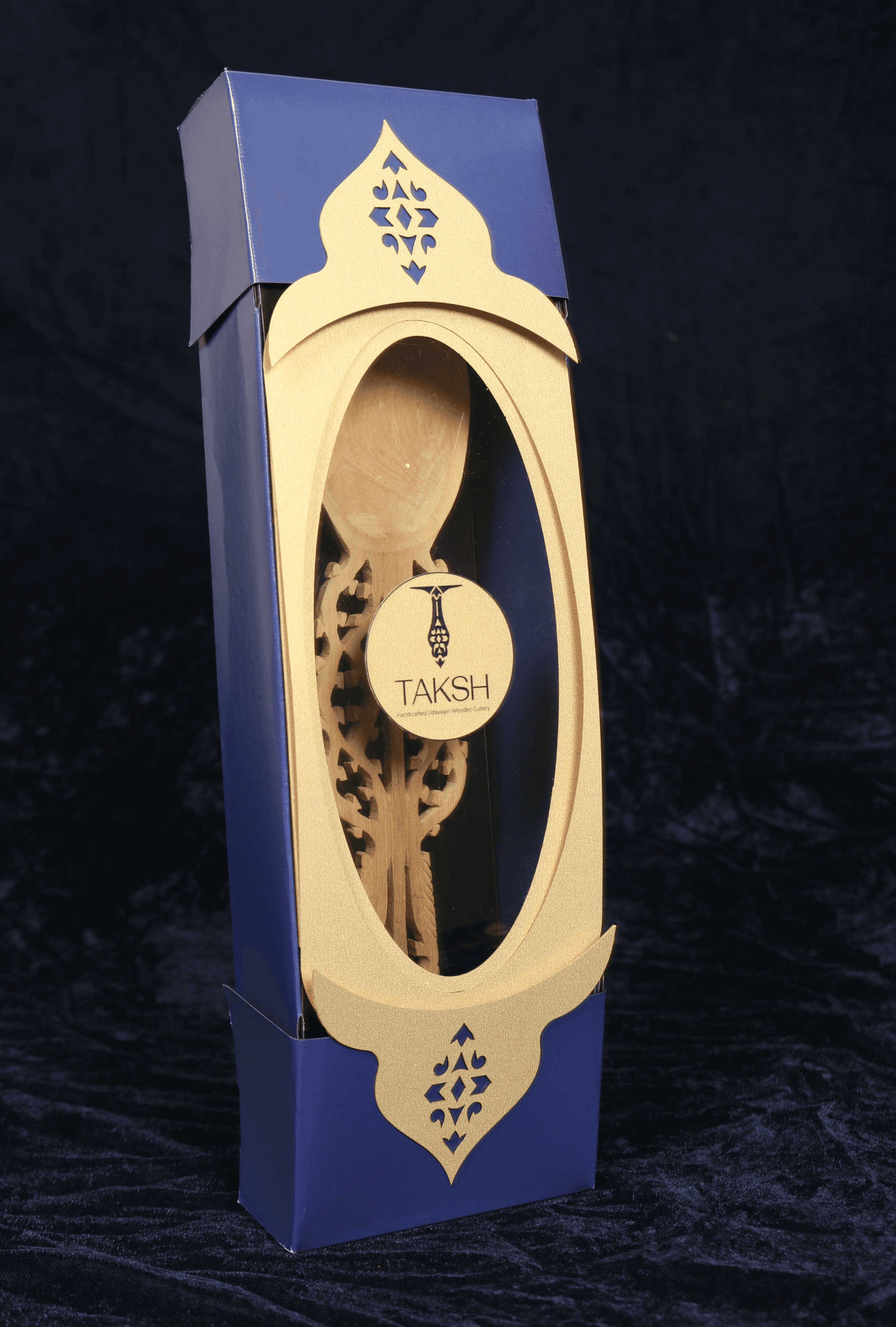
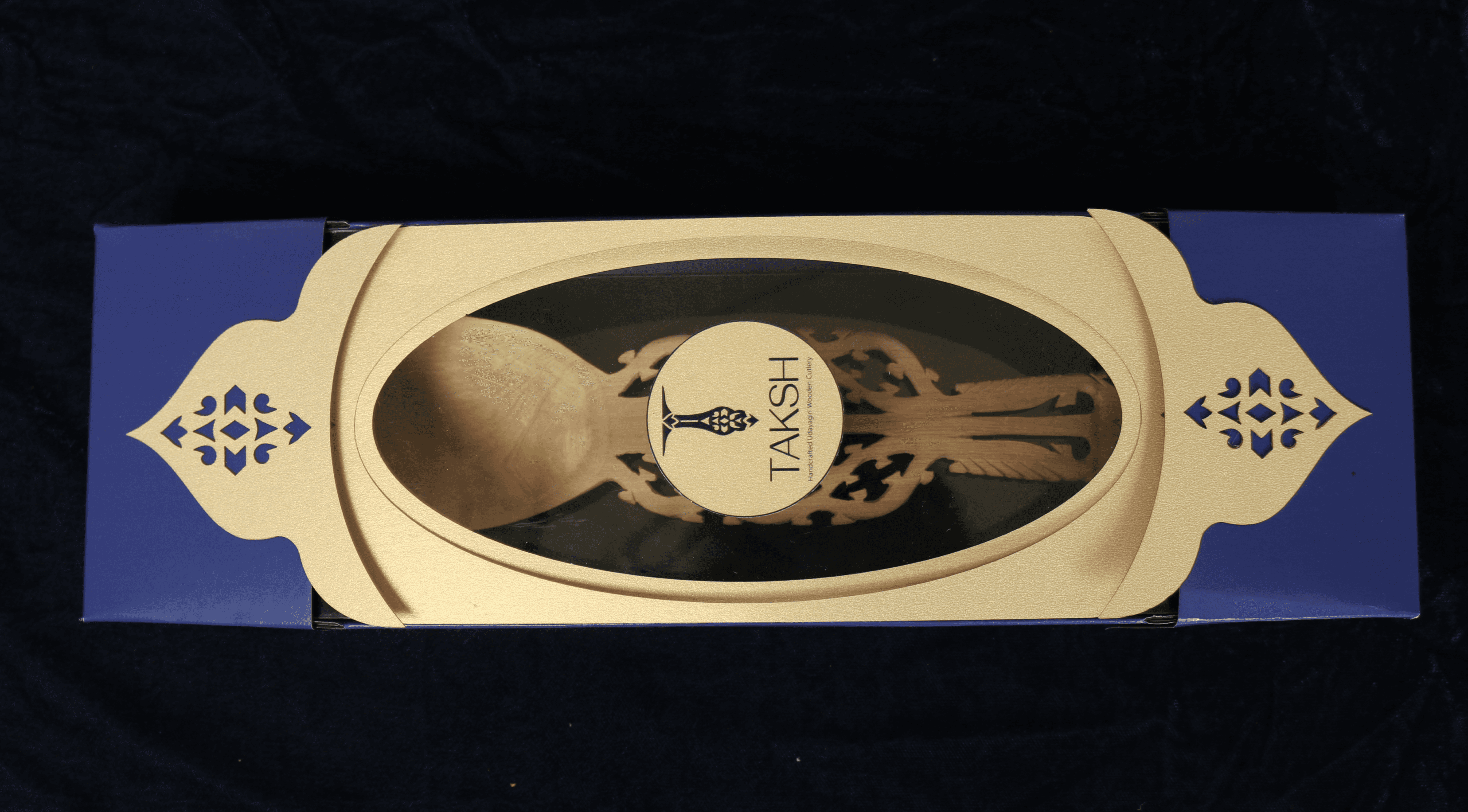
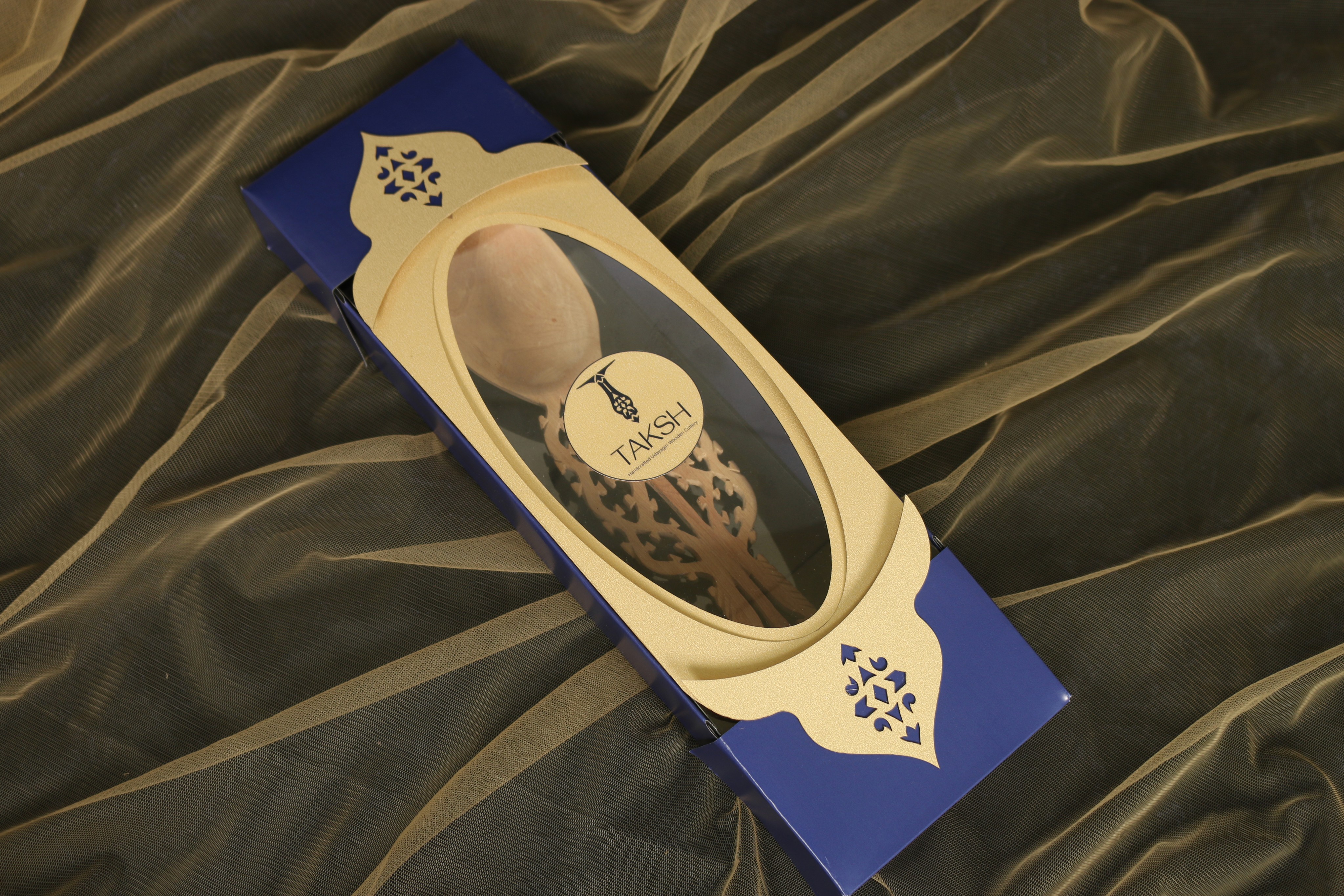
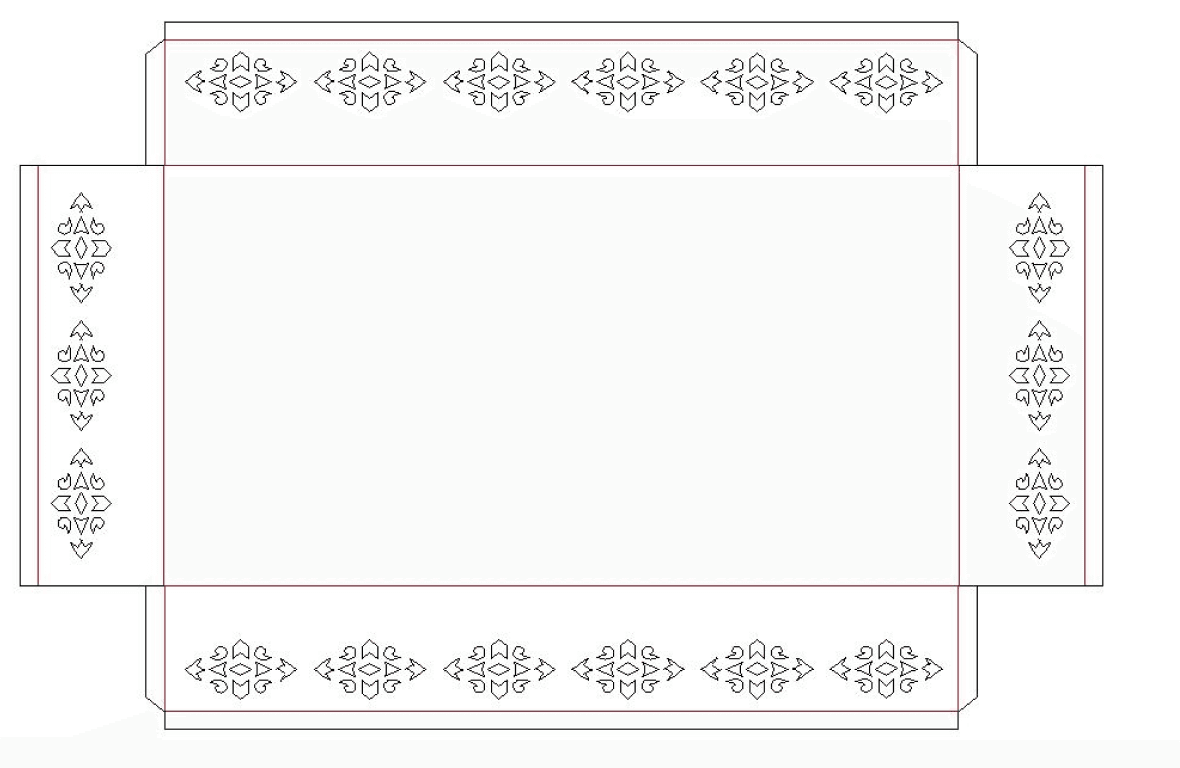
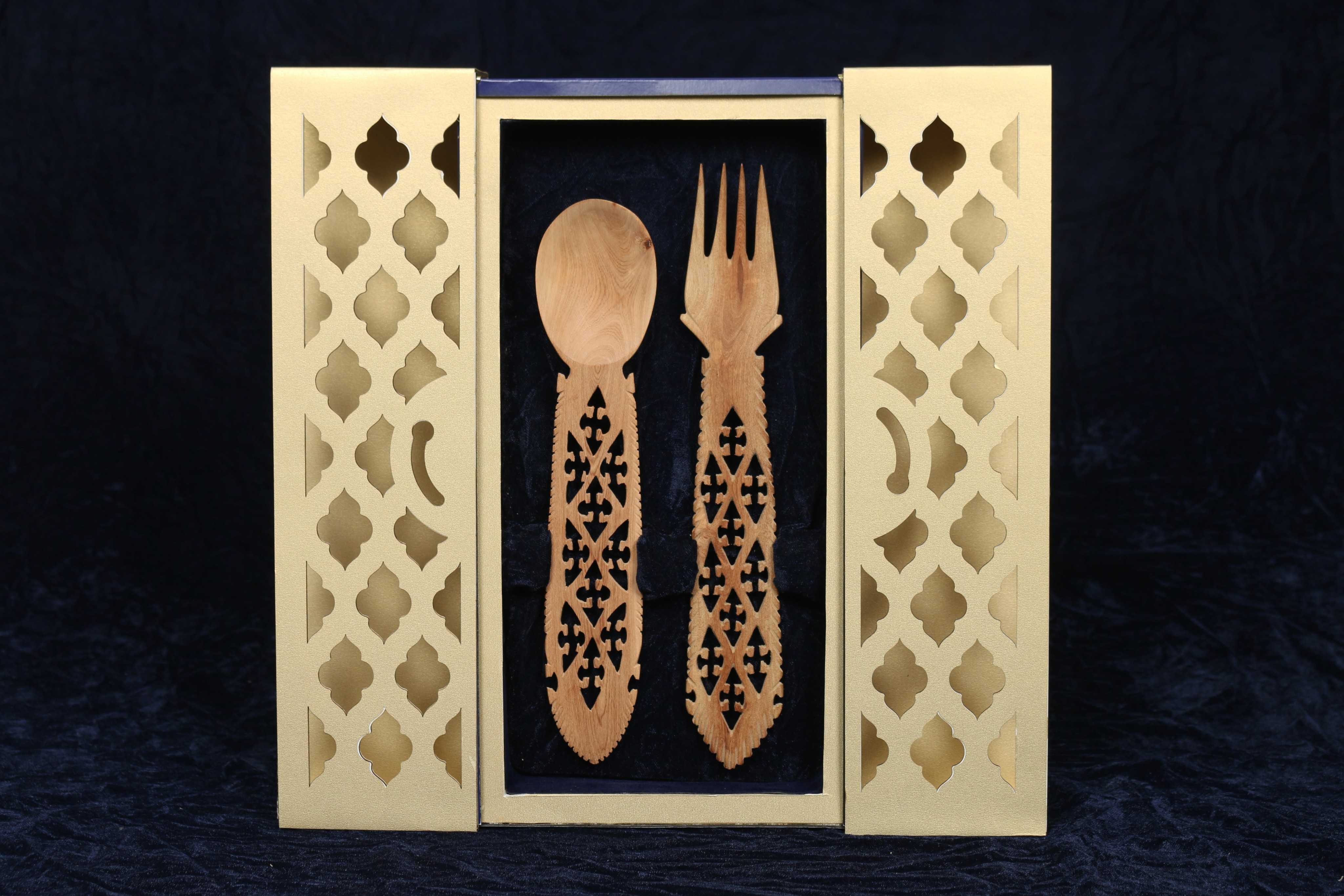
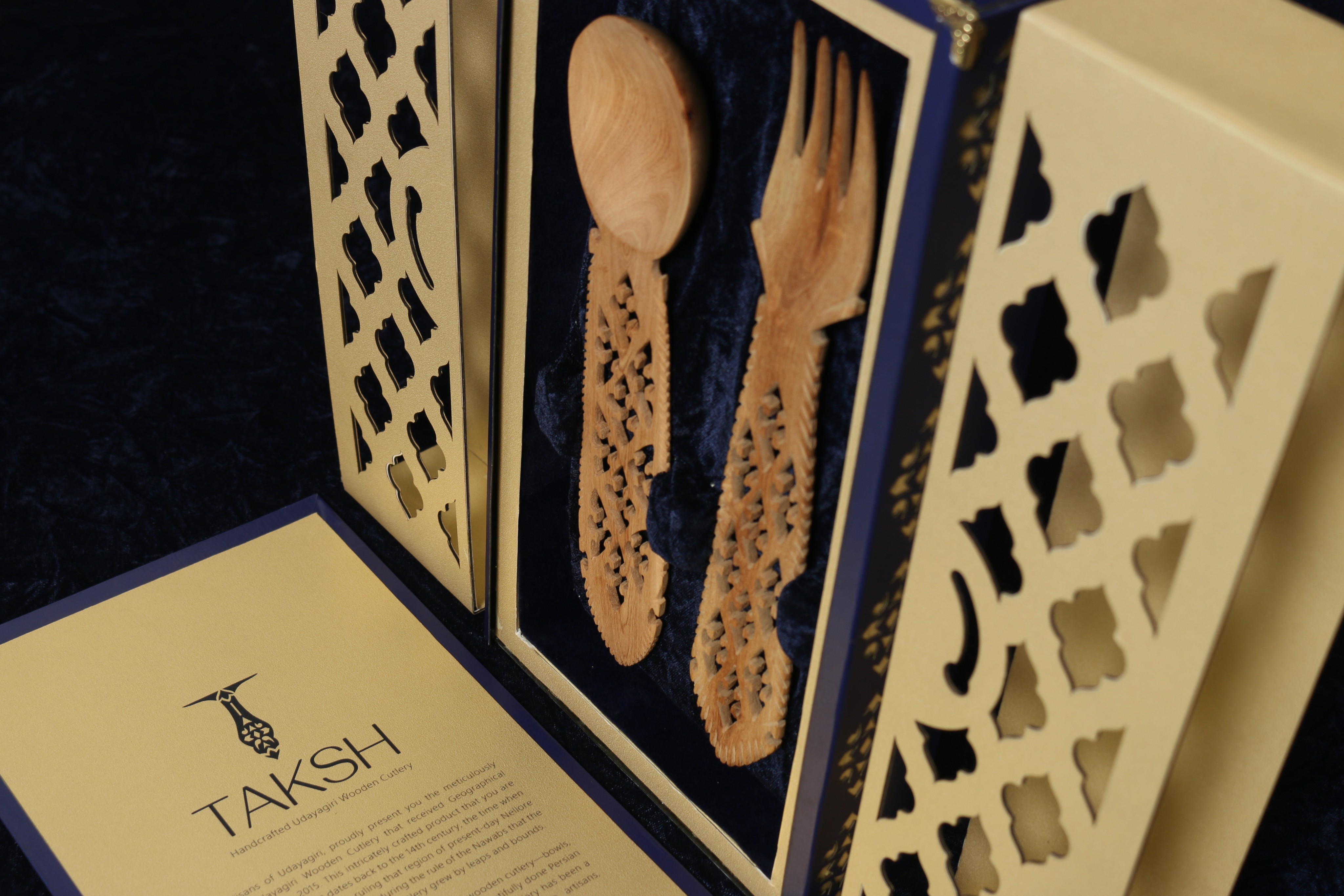
Taking inspiration from patterns of Mughal architecture, Dharga ki jali, patterns from the cutlery the graphics and die cuts for the packaging was made.
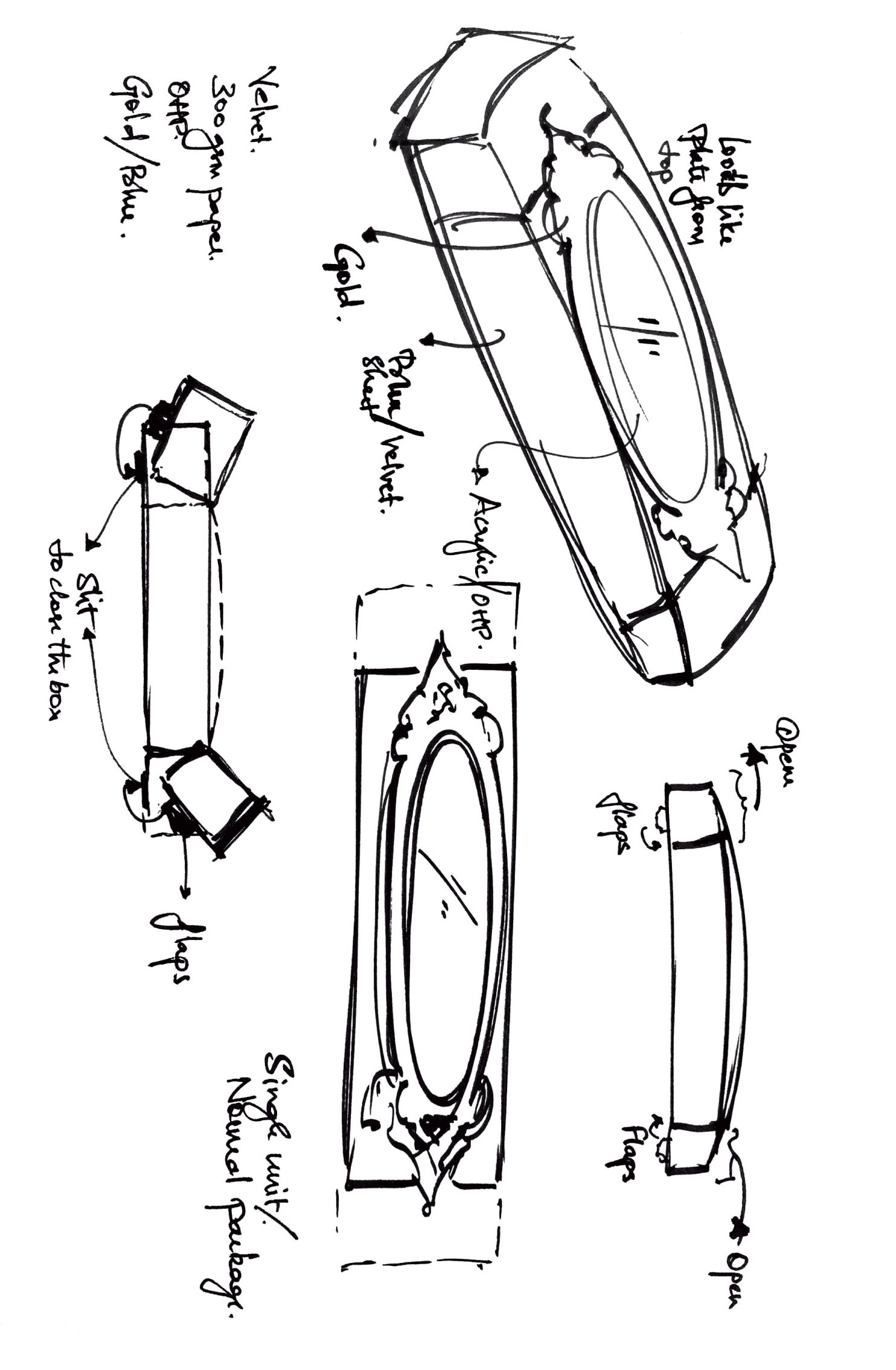
Concept for regular package
Concept for gift package
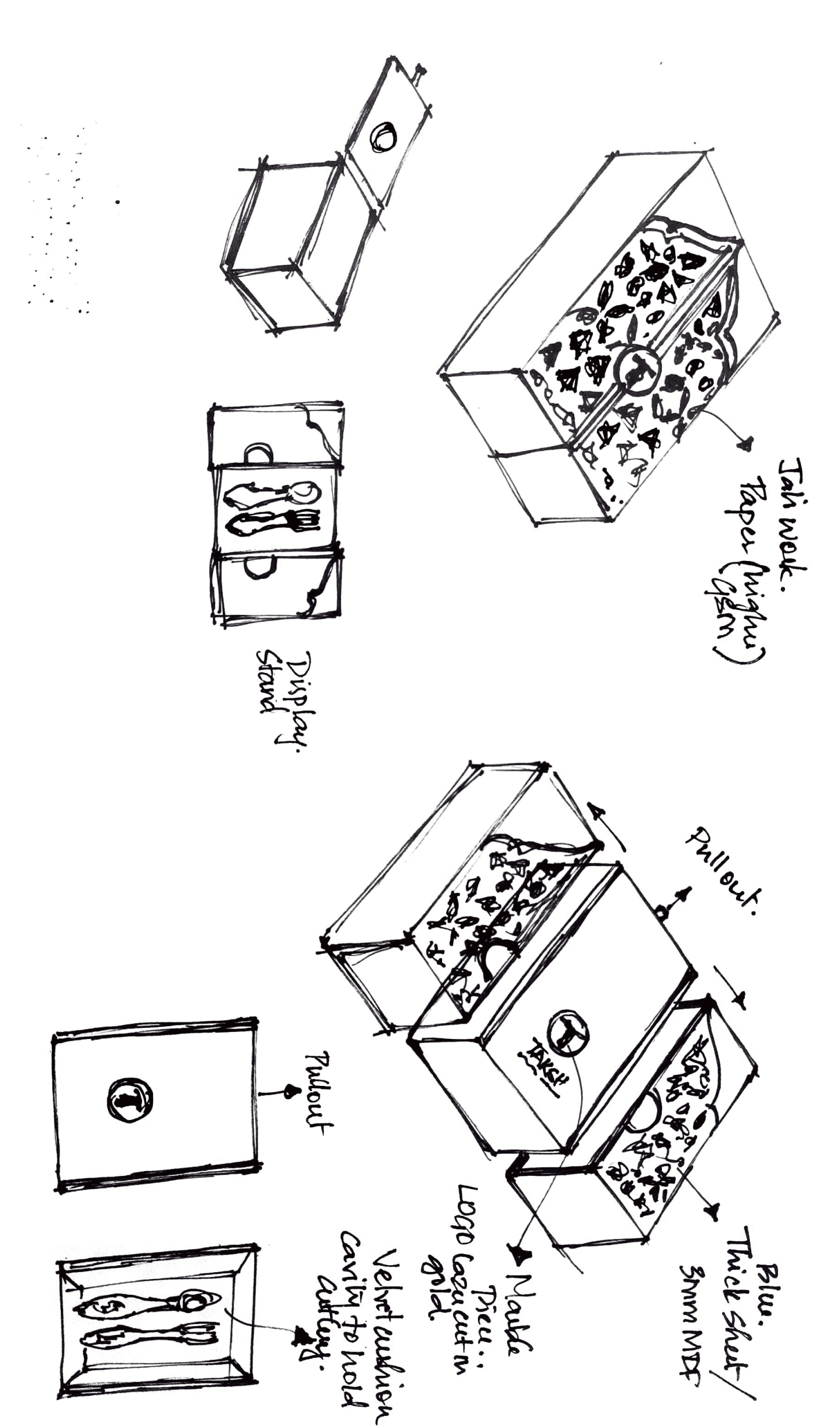
Key Features
Costing
Protection from termite as the product is made of wood
Layered package
Surprise elements
Sleek, elegant and regal
Product cost - 1000₹-1200₹
Cost of package - 100-120₹
10% of the product cost
Key Features
Costing
Appears like Platter from top
Protection from termite as the product is made of wood
Sleek and clean
Product cost - 400₹-500₹
Cost of package - 40-50₹
10% of the product cost
Layer 1
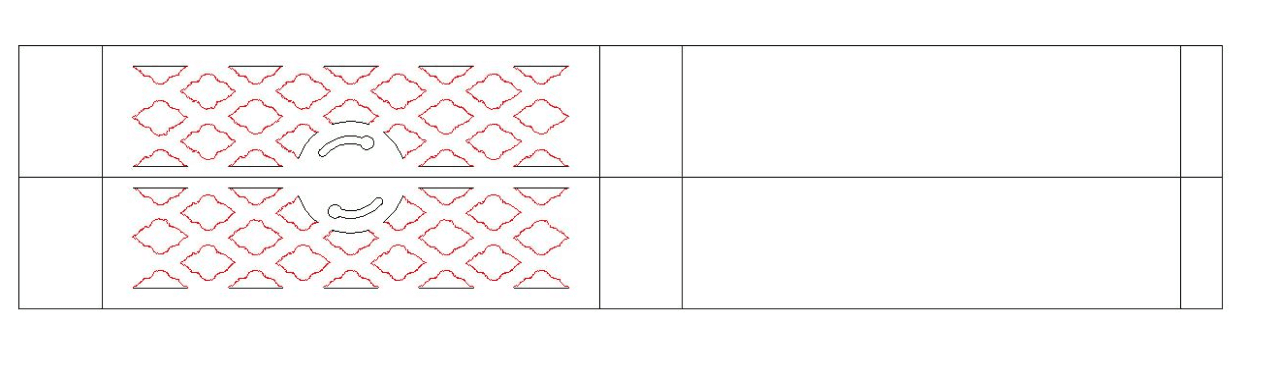
Layer 2
Layer 3
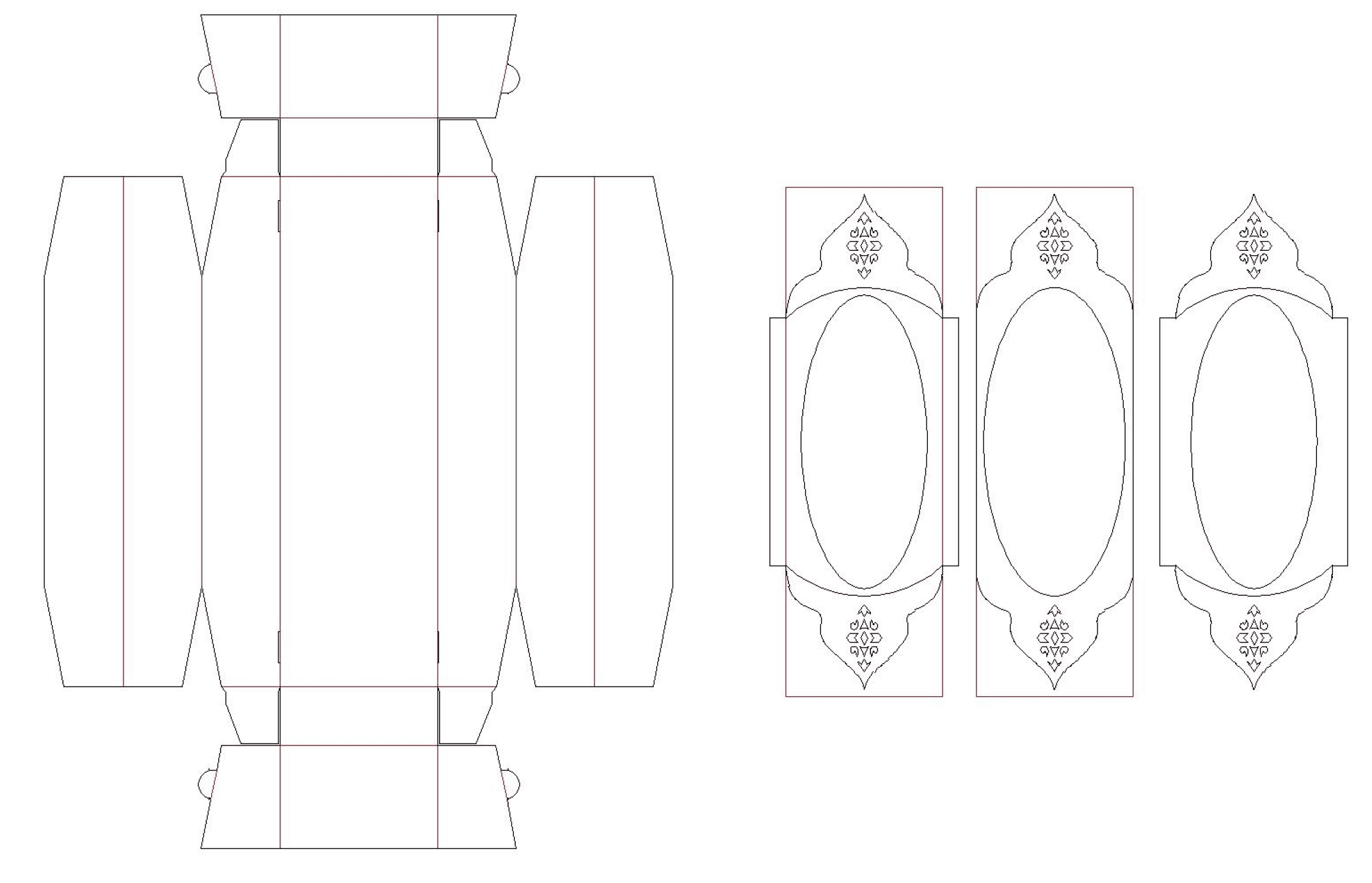
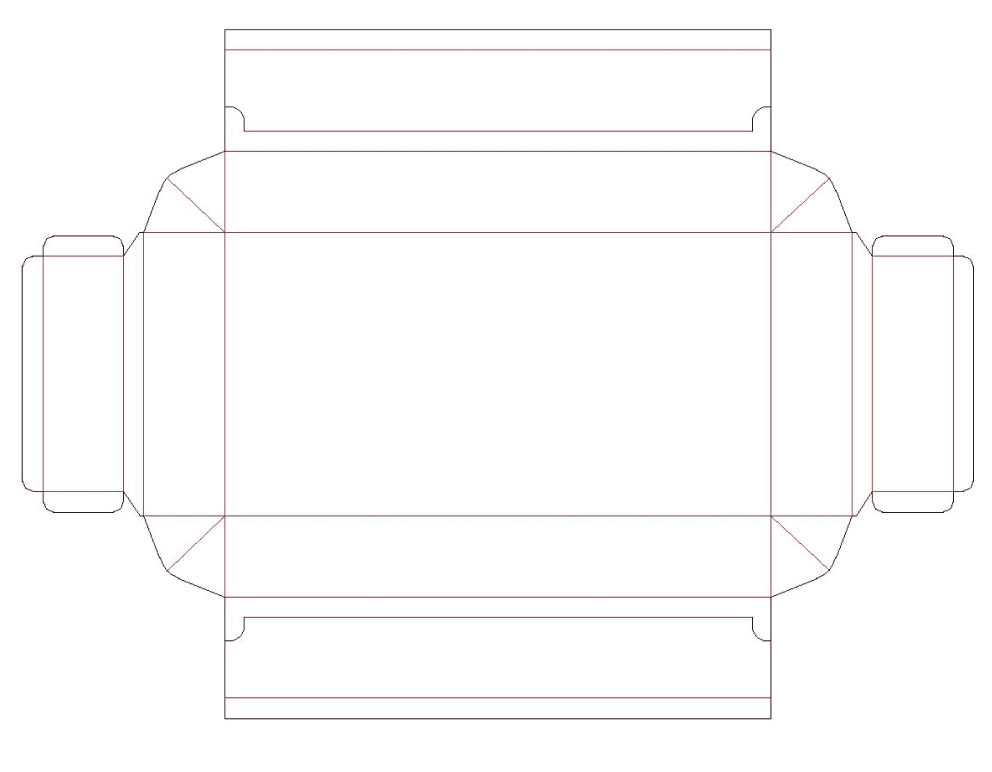
Die cut for single product
Die cut for top layer
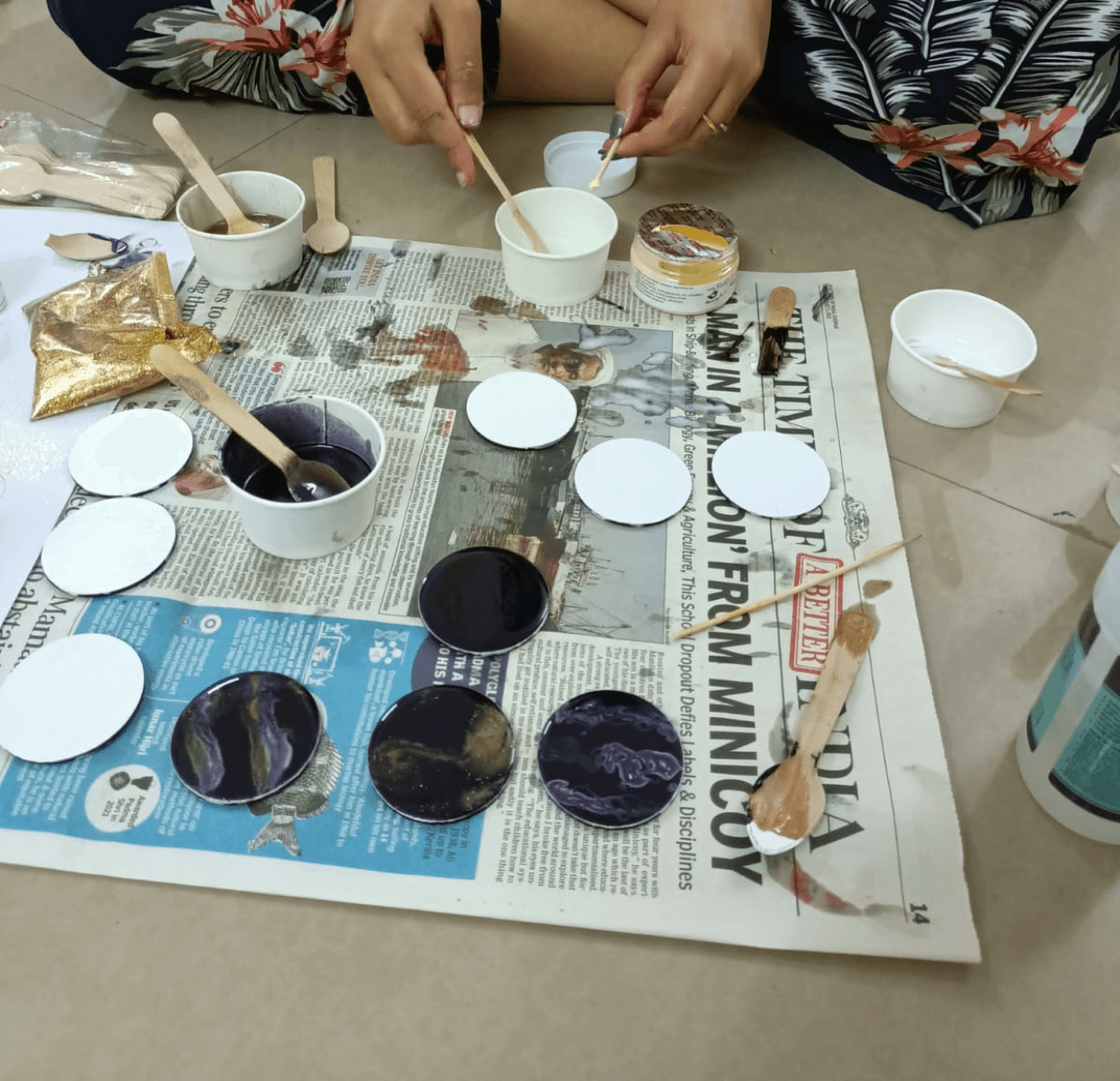
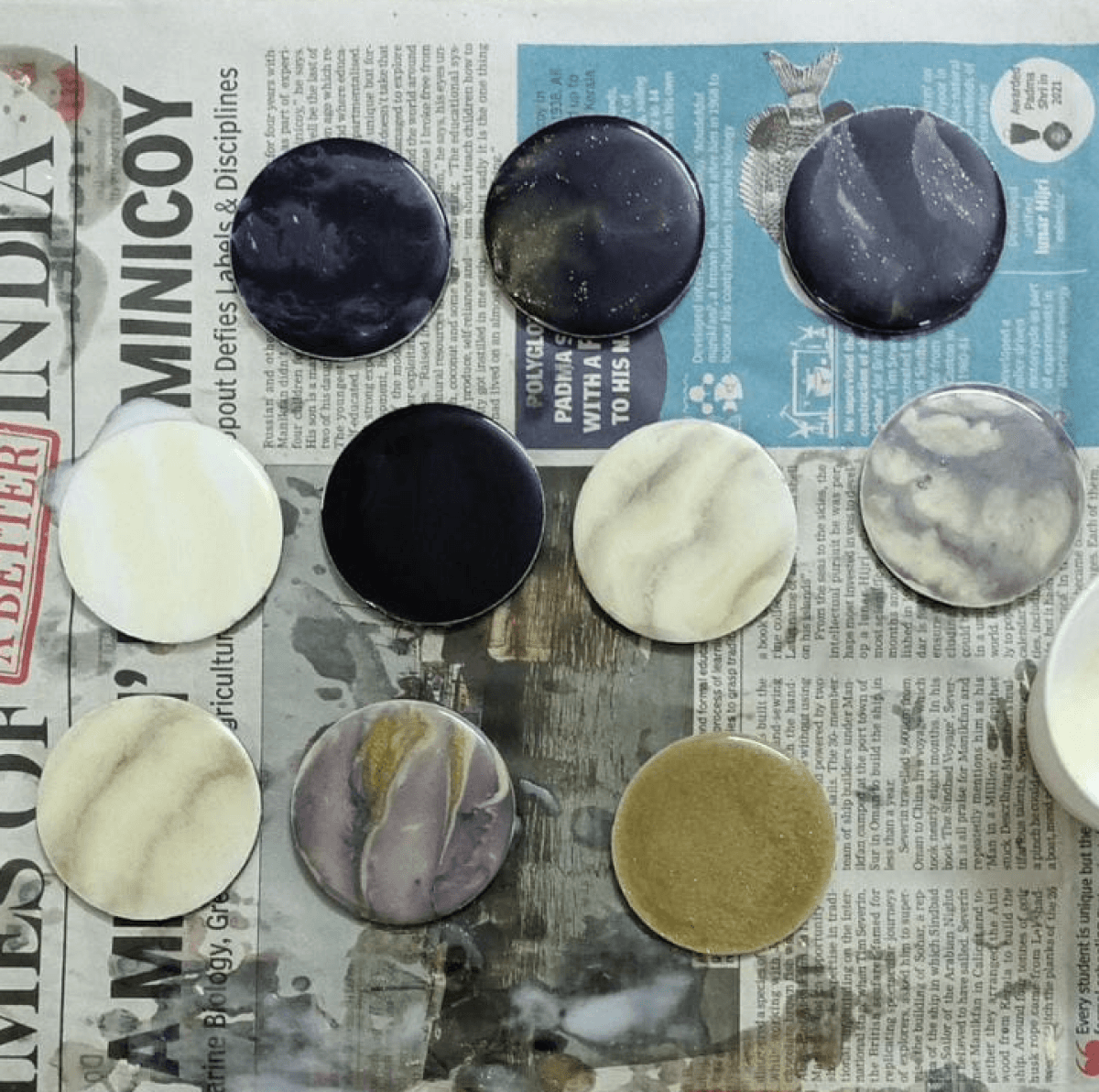
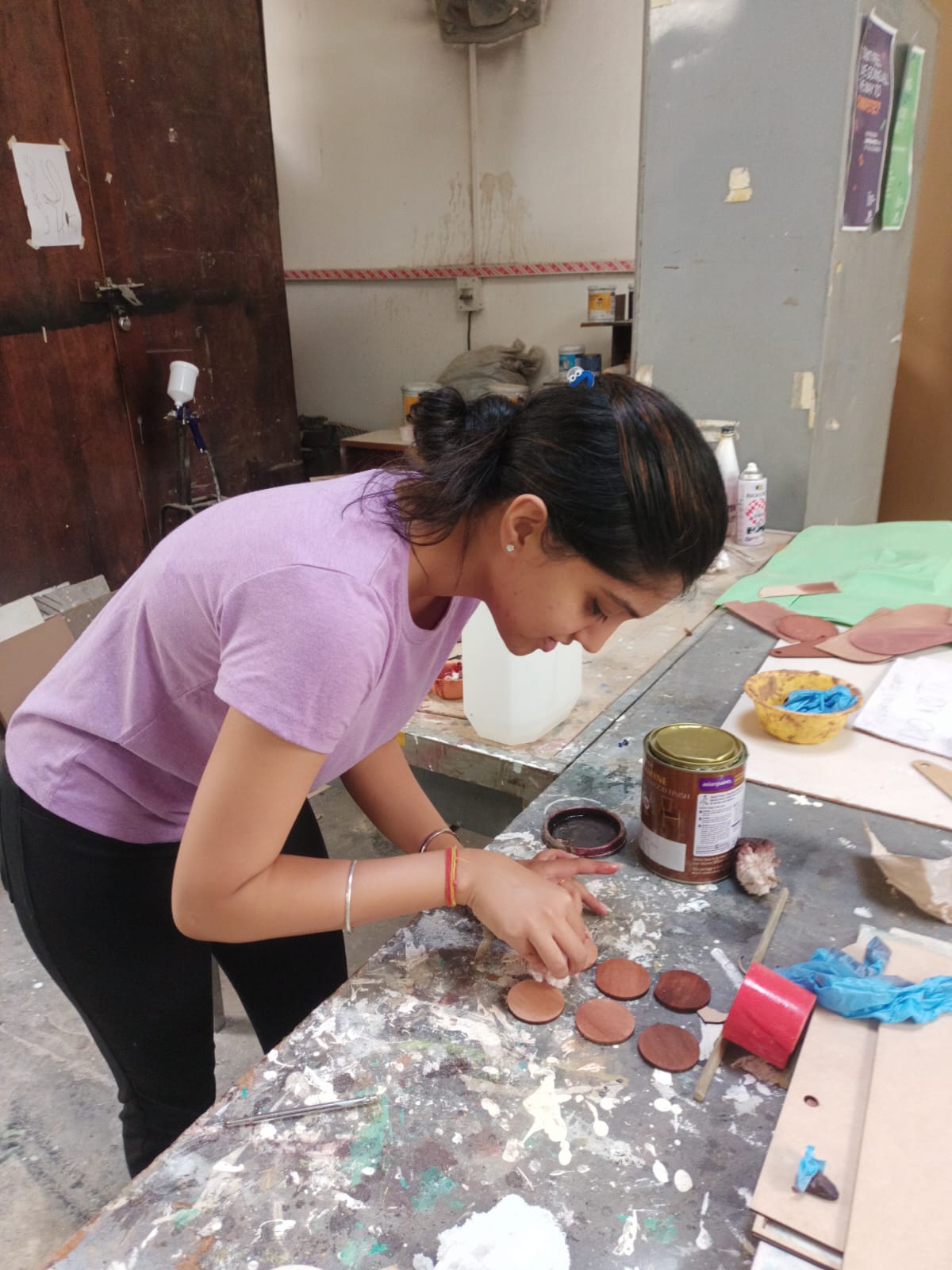
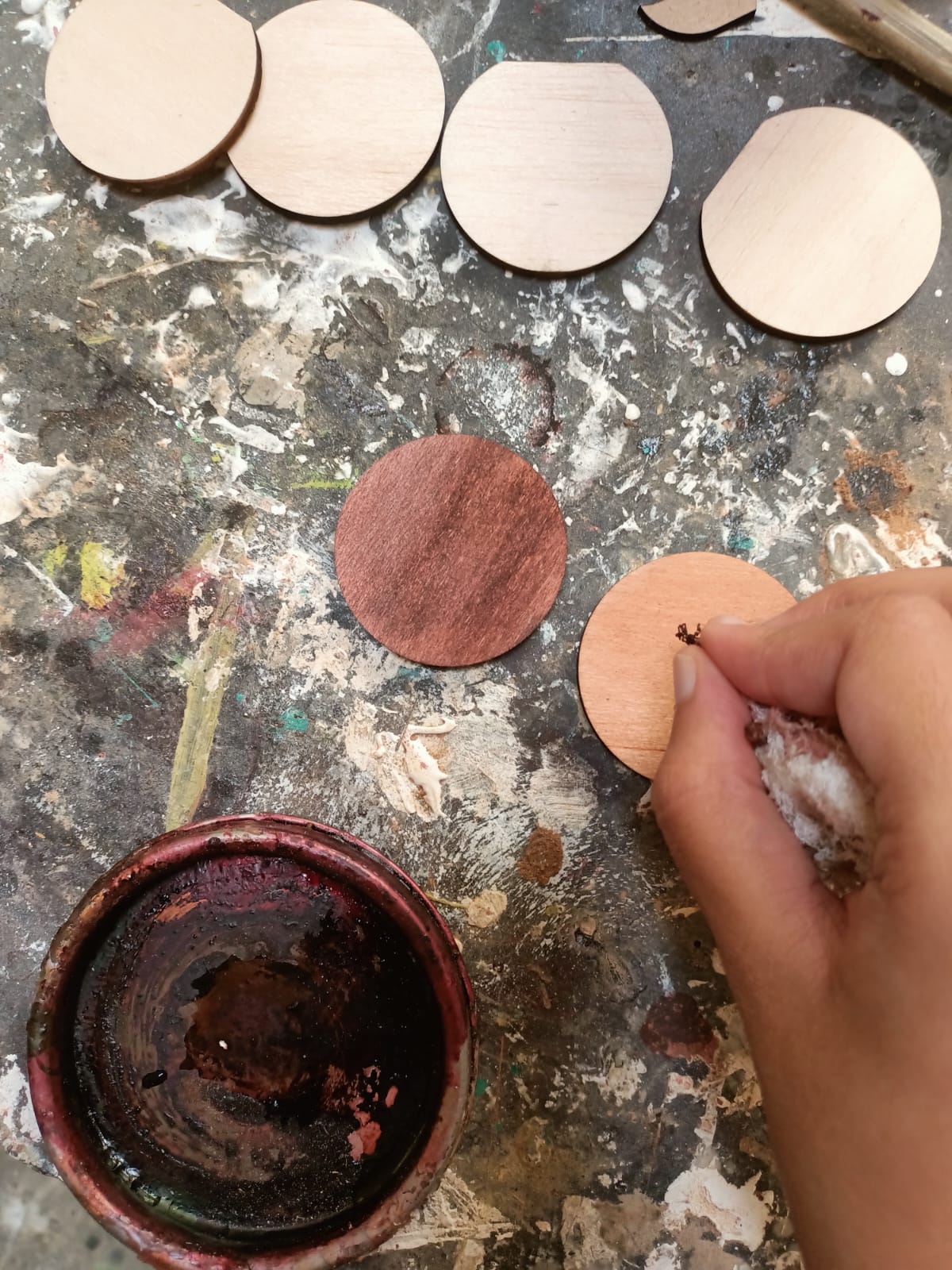
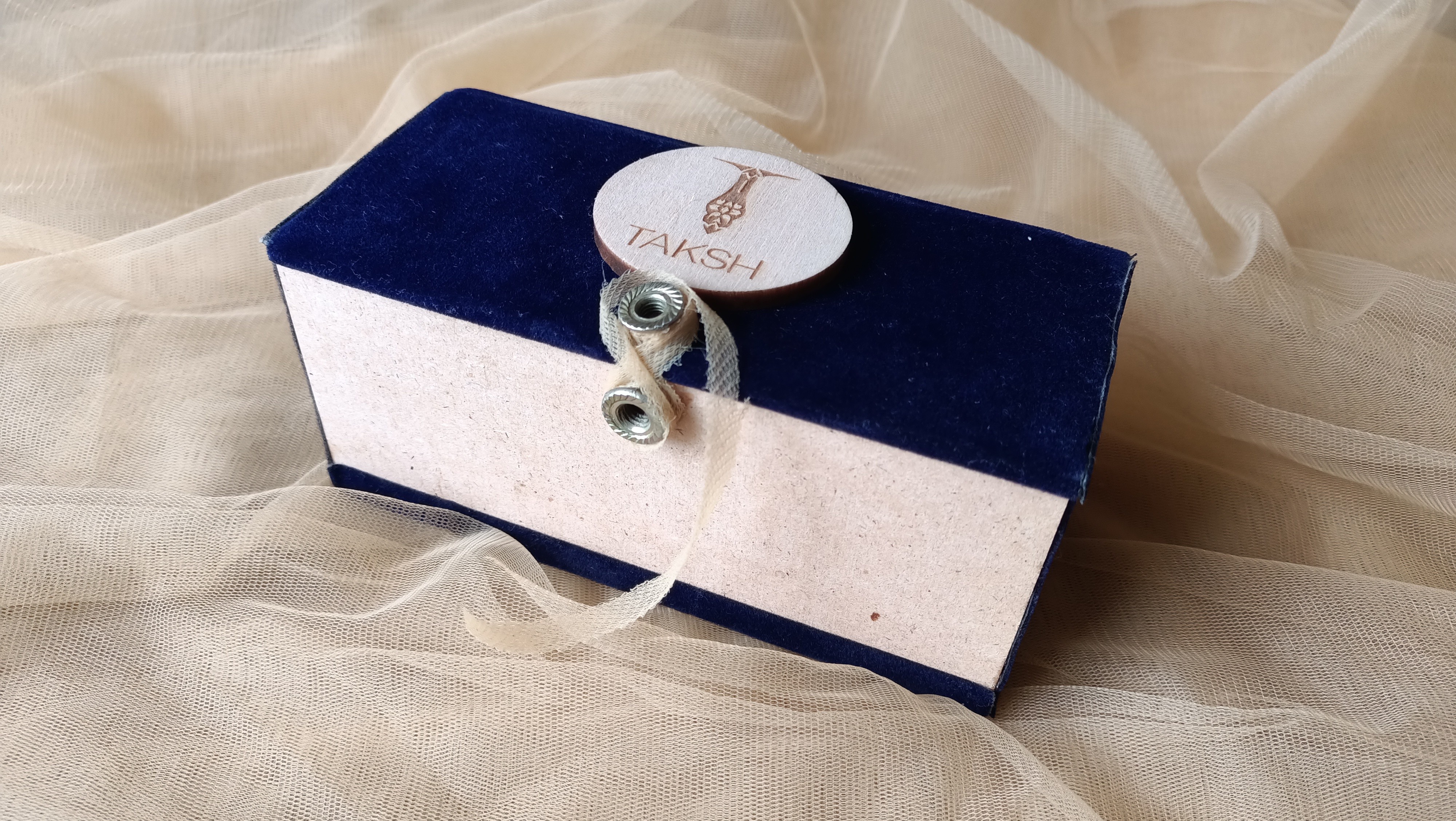
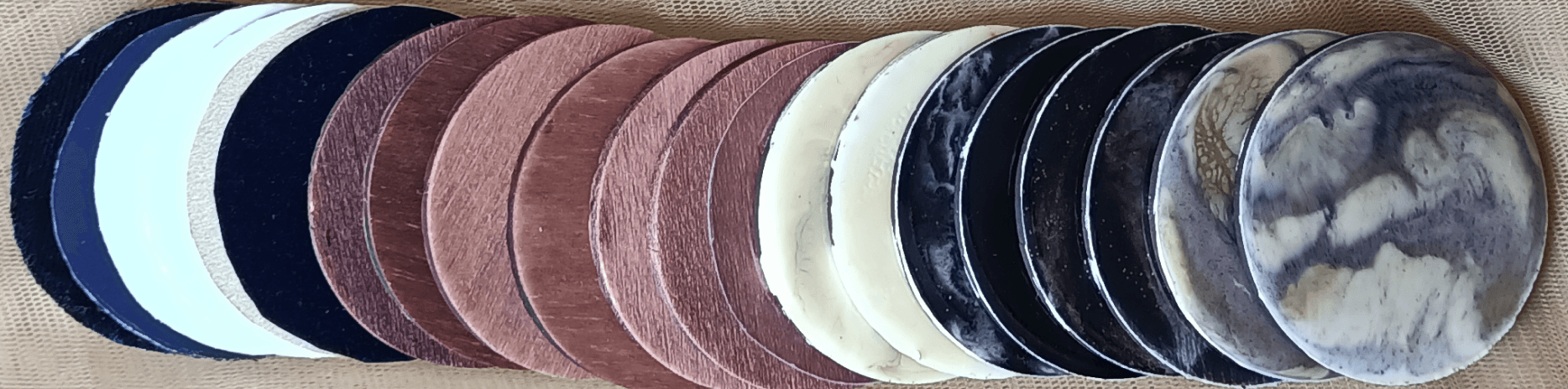
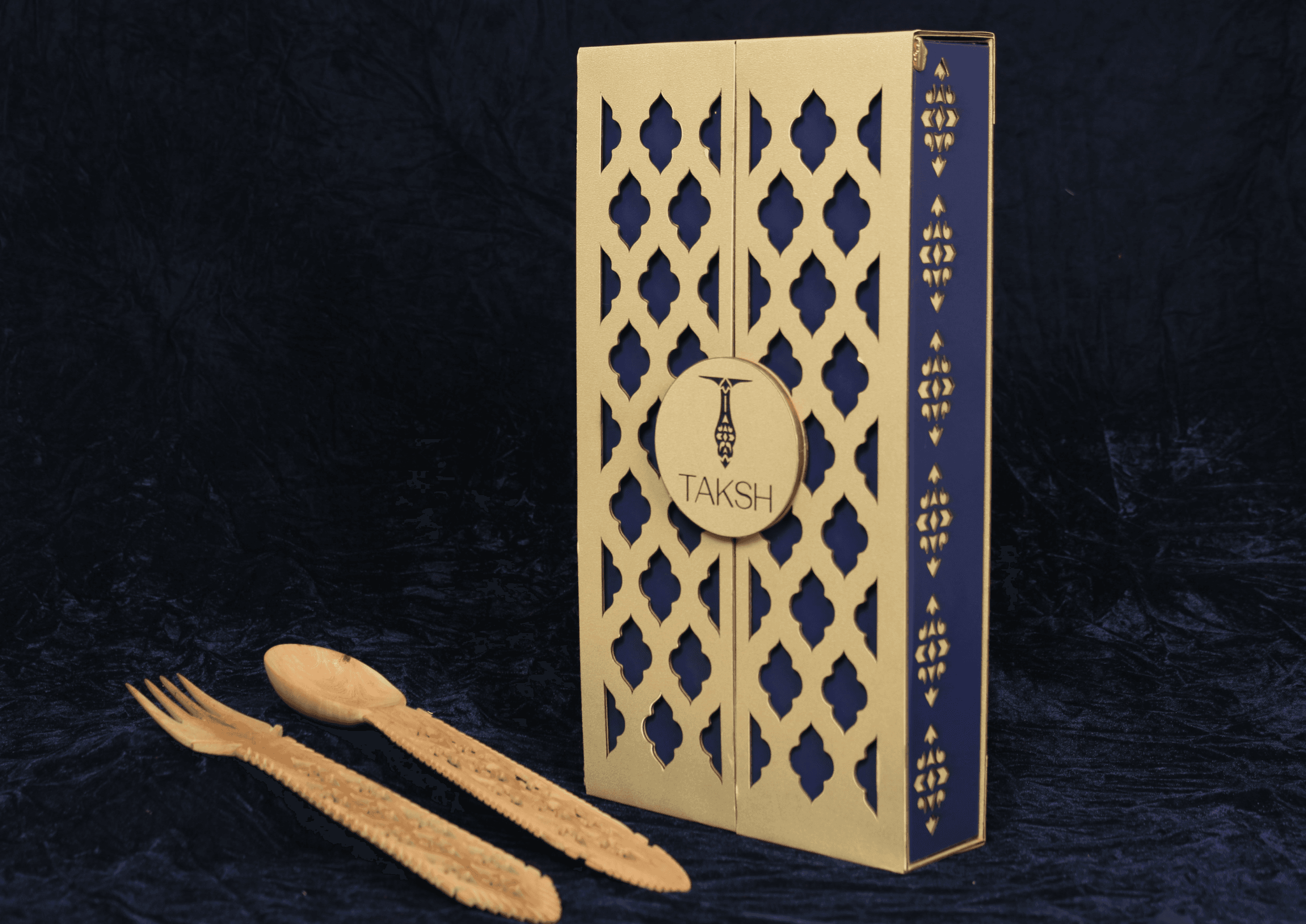
Gift Packaging
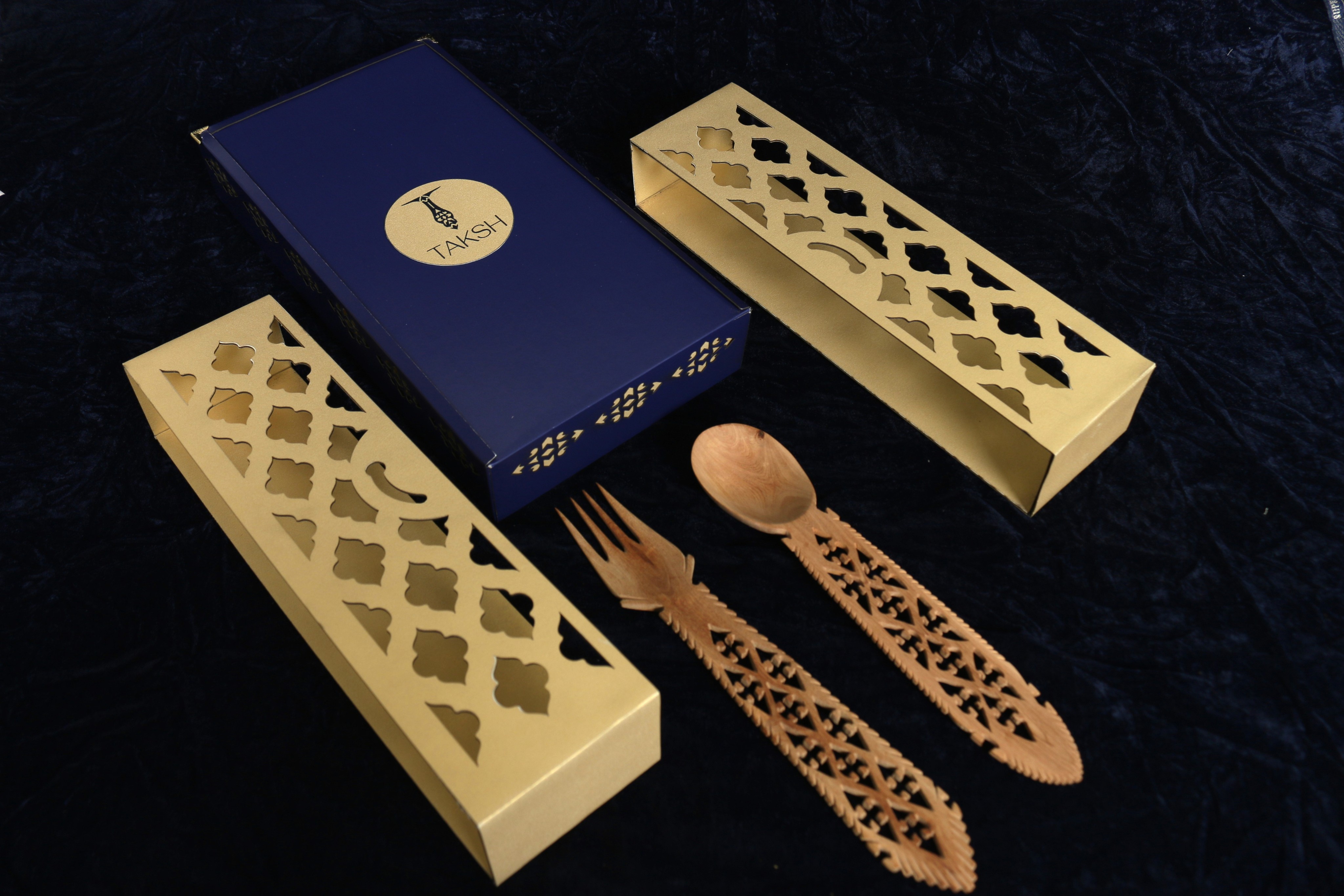
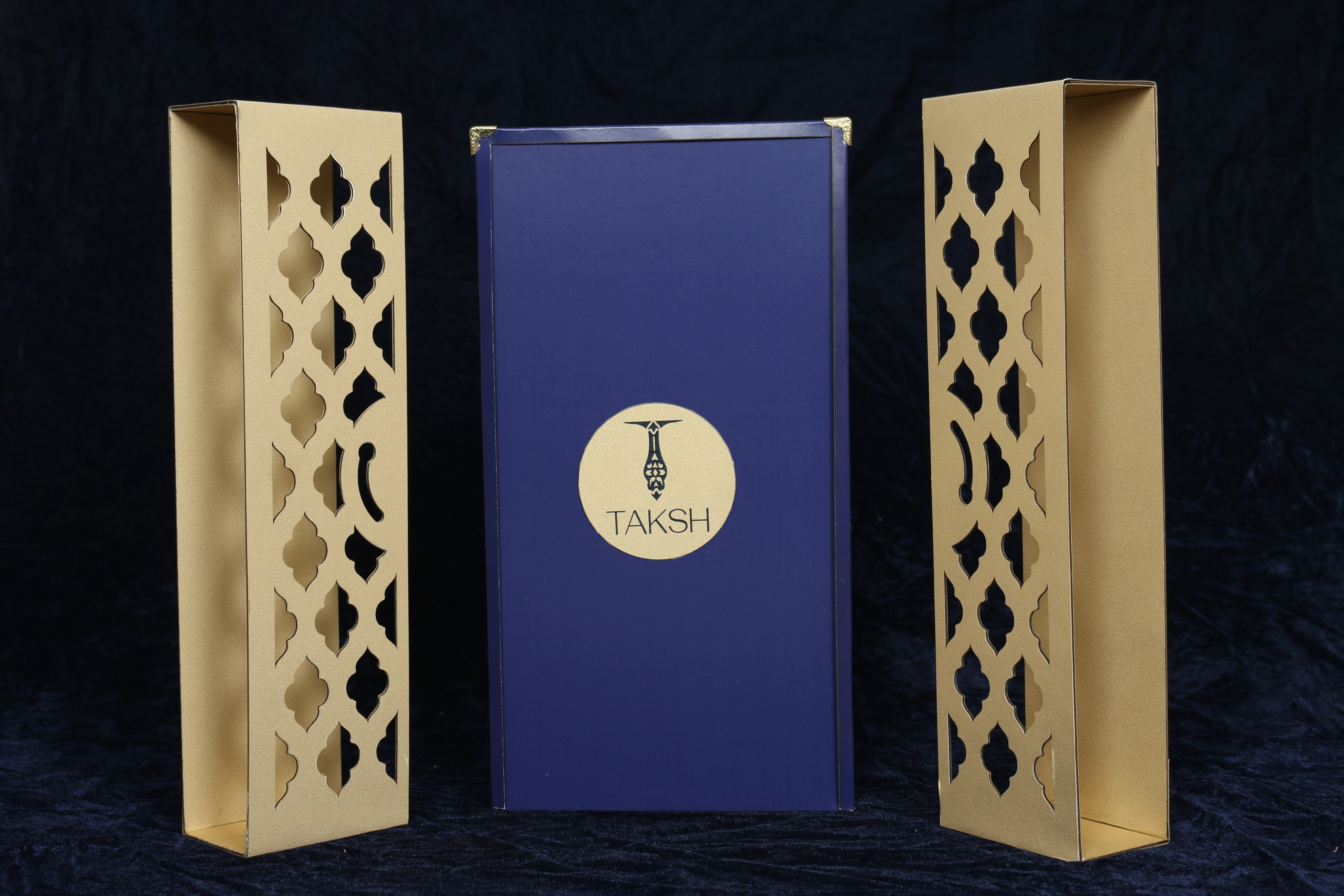
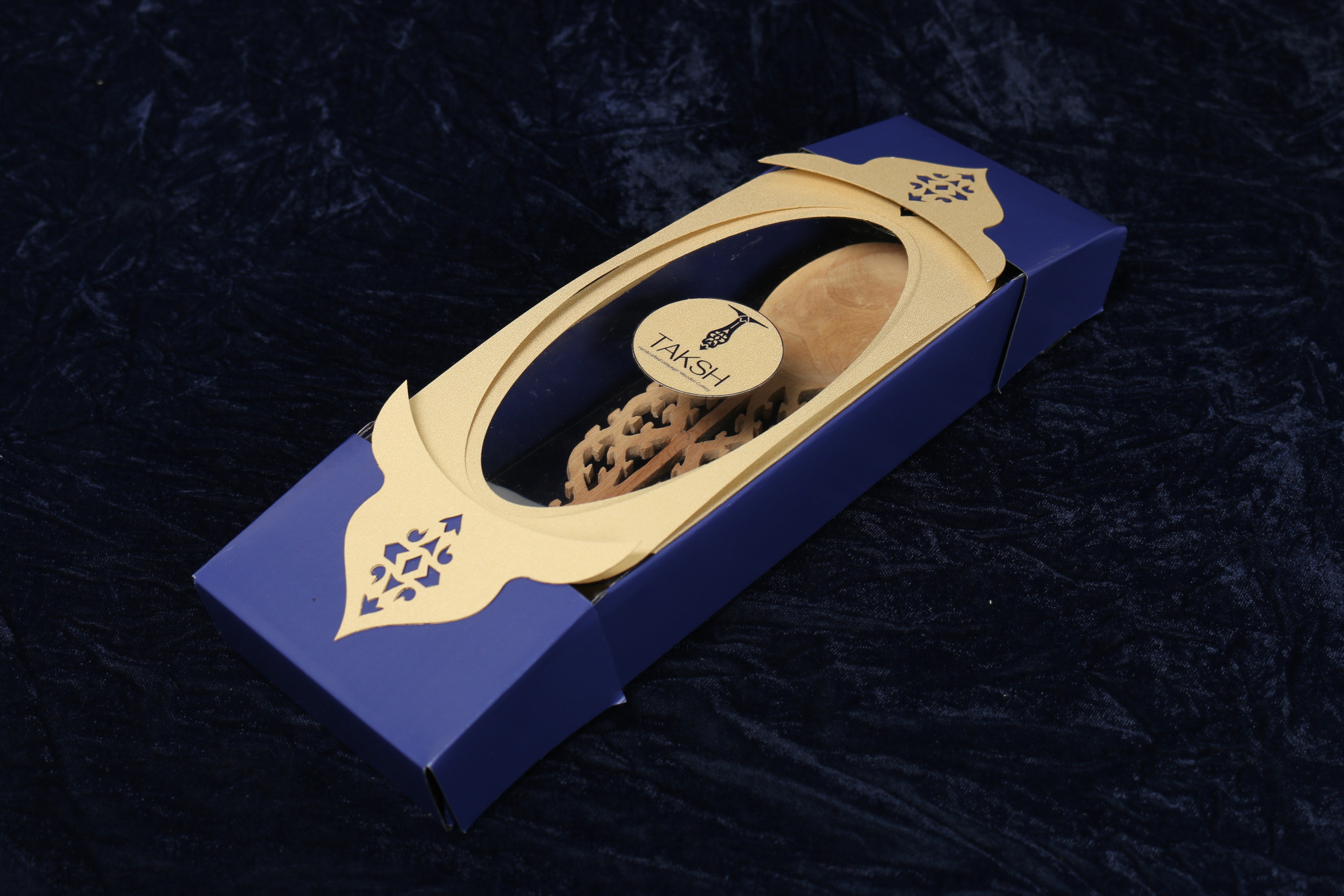
Regular Packaging